A warm vape battery can seem harmless, especially when the device still charges normally. Yet unusual heat deserves attention. Many rechargeable lithium-ion batteries produce mild warmth during charging. Excessive heat may indicate a damaged cell, incompatible charger, poor electrical contact, or restricted airflow around the device. This is why many users ask, “Why does my vape battery get hot while charging?”
Isidor Buchmann, founder of Battery University and a recognized battery-safety educator, explains, “A battery is a chemical reactor.” His statement matters because charging involves chemical reactions, not simple electricity flowing into an empty container. If those reactions become unstable, heat can rise quickly. A warm metal body is noticeable. A sharp smell, swelling, hissing, discoloration, or sudden temperature increase is more serious.
Stop charging it.
Place the device on a nonflammable surface, away from fabric, paper, children, and pets. Do not cover it, use a damaged cable, or continue charging while sleeping. Follow the manufacturer’s instructions and use only the recommended charging equipment. If the battery remains hot after unplugging, appears swollen, or has leaked, avoid handling it unnecessarily and seek guidance from an authorized service provider or local hazardous-waste program.
Temperature alone cannot identify the exact cause. That is the part many quick online answers miss. A clean connector may reduce resistance, but it cannot repair an internally damaged cell. Careful observation, reliable equipment, and professional advice provide a safer answer than guesswork.
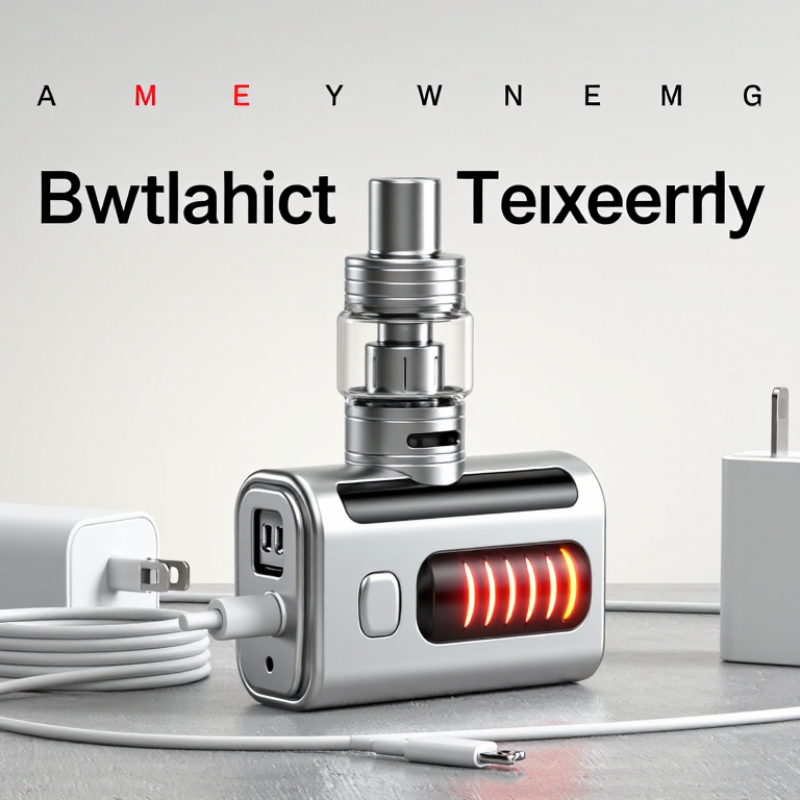
How Vape Batteries Charge and Why They Produce Heat
Why Does My Vape Battery Get Hot While Charging?
A vape battery usually uses a lithium-ion cell. Charging happens in two stages: constant current, then constant voltage. During the first stage, electrical energy enters the cell quickly. Internal resistance converts a small portion of that energy into heat. A slight warmth can be normal. It should not feel painful to touch.
The charging circuit then reduces current as the battery approaches full capacity. Heat may rise when the cable, connector, or battery contacts have resistance. Dust, damaged insulation, and poor ventilation can make this worse.
IEC 62133-2 addresses safety requirements for portable lithium-ion cells and batteries. UL 8139 also evaluates electrical and thermal hazards in vaping devices. These standards do not make every charging setup safe.
Pay attention to the pattern. A battery that becomes unusually hot, swells, smells strange, or charges unevenly needs immediate attention. Stop charging it on a nonflammable surface, away from bedding and paper.
The U.S. Consumer Product Safety Commission reported 2,035 e-cigarette explosion and fire incidents from 2009 through 2016. That figure is old, but it remains a useful warning about battery energy. CPSC also noted that many incidents occurred during charging or transport. In practice, I have found that people often blame the battery first. The cable or connector may be the real problem. That assumption deserves a second look.
Normal Warmth Versus Dangerous Overheating During Charging
Why Does My Vape Battery Get Hot While Charging?
A vape battery may feel slightly warm during charging. This can happen as electrical energy becomes stored chemical energy. Mild warmth is usually acceptable when the device remains comfortable to touch. The charger, cable, room temperature, and battery age can all affect heat. A cool, hard surface helps the heat escape.
Dangerous overheating feels different. The device may become too hot to hold, develop a sweet chemical smell, swell, hiss, or produce smoke. Stop charging immediately if any warning sign appears. Disconnect it only if this can be done safely. Never continue using a swollen, cracked, leaking, or recently dropped battery. I have learned that “still working” does not mean “safe.” Internal damage may remain invisible.
Tips: Use only the correct charger and cable recommended for the device. Keep charging away from beds, sofas, paper, and direct sunlight. Do not charge overnight or leave it unattended. Check the cable for cuts and loose connections. If the battery becomes extremely hot, smokes, or catches fire, move away and contact local emergency services. Avoid touching it with bare hands. A qualified technician can assess removable batteries and charging faults.
Why Does My Vape Battery Get Hot While Charging?
Normal charging can make a battery slightly warm. The chart compares common lithium-ion charging temperature reference points with practical safety actions. Always follow the device manufacturer's temperature limits.
Warmth below about 40°C (104°F) is commonly considered moderate during charging. Around 45°C (113°F), charging is outside the usual recommended range for many lithium-ion cells. A temperature near 60°C (140°F) is a serious overheating warning: unplug the charger, move the device away from flammable materials, and do not use it until it has been inspected.
Common Causes of Excessive Vape Battery Heat
A slightly warm vape battery during charging can be normal. Excessive heat is different. If the device feels too hot to touch, unplug it immediately. Move it onto a nonflammable surface. Never place it under clothing or bedding. Heat often begins with a poor cable connection, a blocked charging port, or an unsuitable charger. Small details matter.
Dust or e-liquid residue can create resistance around the charging port. A loose plug may also heat at one contact point. Check for discoloration, a burnt smell, swelling, leaks, or cable damage. Stop using the battery when these signs appear. Never charge a visibly damaged unit. Battery age matters, too. Repeated charging gradually reduces cell performance, although age alone does not prove a fault.
Room temperature and airflow can change charging behavior. Direct sunlight may heat a battery before charging begins. Use the charging method listed in the device instructions. Keep the device on a hard, dry surface. Avoid charging overnight when possible. That rule is imperfect, because “warm” feels different to everyone. I would not rely on touch alone. If the heat returns after cleaning the port and replacing a damaged cable, seek qualified service instead of testing it repeatedly.
Step-by-Step Checks for a Hot Battery While Charging
Why Does My Vape Battery Get Hot While Charging?
Step-by-Step Checks for a Hot Battery While Charging
A slightly warm battery can be normal during charging. Heat should remain mild and stable. A battery that becomes hot quickly needs immediate attention. Stop charging it. Disconnect the cable without touching damaged areas. Place the device on a nonflammable surface, away from paper, fabric, and direct sunlight.
Check the charging port for dust, liquid, bent contacts, or a loose connection. Inspect the casing for swelling, cracks, leaks, or unusual smells. Do not press, puncture, open, or freeze the battery. Use only the charger and cable specified for that device. Avoid overnight charging and never charge it unattended. If the cable feels hot, replace it before testing again. A faulty cable can create resistance and excess heat.
The U.S. Food and Drug Administration reviewed 66 reports of electronic-cigarette explosions from 2009 to 2016. Thirty-eight reports involved severe injuries. The review shows why charging symptoms deserve careful attention, even when damage looks minor. Industry lithium-ion safety guidance also identifies swelling, rapid heating, and hissing as warning signs. I would not rely on touch alone. Temperature judgment is inconsistent. If the device remains hot after cleaning the port, stop using it and contact qualified electronic-waste or battery-safety professionals. Never place a damaged lithium-ion battery in household trash.
Safe Charging Practices and Signs of Battery Replacement
Why Does My Vape Battery Get Hot While Charging?
A slightly warm battery can be normal. Charging moves electrical energy through the cell, creating some heat. A hot battery, however, needs attention. Stop charging if the device becomes painful to hold, smells sweet or chemical, swells, leaks, hisses, or changes color. Place it on a hard, nonflammable surface. Keep it away from bedding, paper, direct sunlight, and extreme temperatures. Use the supplied or manufacturer-approved charger. Do not charge overnight or while leaving home.
The U.S. Fire Administration recorded 195 electronic-cigarette fires and explosions between 2009 and 2016, with 133 injuries. Its report also identified 38 severe injuries. These figures show why charging habits matter, even when a device appears small and harmless. Never use a crushed, cracked, wet, or previously overheated battery. Do not cover it during charging. A pocket, car console, or sofa can trap heat.
Replace the battery when charging takes much longer, runtime drops sharply, or heat increases during ordinary charging. Physical damage requires immediate replacement. Do not try to repair, puncture, flatten, or open the cell. The U.S. Consumer Product Safety Commission advises consumers to stop using damaged lithium-ion batteries and follow local recycling guidance. Battery age alone is not a perfect warning sign. That is easy to overlook. If the cause of unusual heat is unclear, replace the battery and have the device checked by a qualified technician.
FAQS
Charging sends electrical energy through a lithium-ion cell. Some energy becomes heat through internal resistance. Slight warmth can be normal.
Stop charging if the battery feels painful to hold. Swelling, leaking, hissing, unusual smells, or color changes also require immediate action. Heat matters.
Disconnect it if this can be done safely. Place the device on a hard, nonflammable surface. Keep it away from paper, bedding, and curtains.
Yes. Damaged insulation, dirty contacts, loose connectors, or poor-quality cables can increase resistance. The battery may not be the only problem.
Use the supplied or approved charger. Keep the device uncovered and ventilated. Do not charge it overnight or while leaving home.
Avoid sofas, beds, pockets, car consoles, and direct sunlight. These spaces can trap heat or expose the battery to pressure.
Replace it after physical damage, swelling, leaking, or overheating. A sharply shorter runtime or much longer charging time also signals replacement.
No. Do not puncture, flatten, open, or repair it yourself. Follow local recycling guidance. If the cause remains unclear, seek qualified inspection.
Not always. Age provides context, but behavior matters more. I might overlook gradual changes, so unusual heat deserves a careful second look.
Conclusion
Why does my vape battery get hot while charging? A small amount of warmth is often normal because electrical energy is converted and stored as chemical energy, which naturally creates some heat. However, a battery that becomes very hot, develops an unusual smell, swells, leaks, makes strange noises, or charges unevenly may indicate a serious problem. Excessive heat can result from a damaged battery, a faulty cable or charging port, poor ventilation, an unsuitable power source, debris, or using the device while it charges.
If the battery feels unusually hot, disconnect it from power, place it on a cool, nonflammable surface, and allow it to rest. Check the battery, cable, port, and surrounding area for damage or blockage, but do not open or repair the battery yourself. Charge only with compatible equipment, keep the device away from heat and flammable materials, avoid covering it, and never leave it charging unattended or overnight. Stop using and replace the battery if it is swollen, cracked, leaking, repeatedly overheats, or no longer charges reliably.
 Apex Vape
