When exploring the world of CBD vape oil, many users may wonder, "Why does CBD vape oil change color?" This question is vital in understanding the quality and safety of the product. As CBD oil undergoes various processes, its color can range from clear to dark amber. This shift often indicates changes in potency and purity.
Factors such as temperature, exposure to light, and oxidation can all influence the color change. For example, when CBD oil is exposed to air, it may darken over time. The method of extraction and the quality of the source material also play significant roles. Notably, certain additives and flavorings can further alter the oil's appearance.
Understanding these factors helps users make informed choices about their products. However, it's crucial to recognize that color is not the only indicator of quality. Users should also consider lab testing and sourcing information. While color can give clues, it is not a definitive measure. Engaging with trusted brands ensures a reliable experience, fostering a deeper connection with the product's quality.
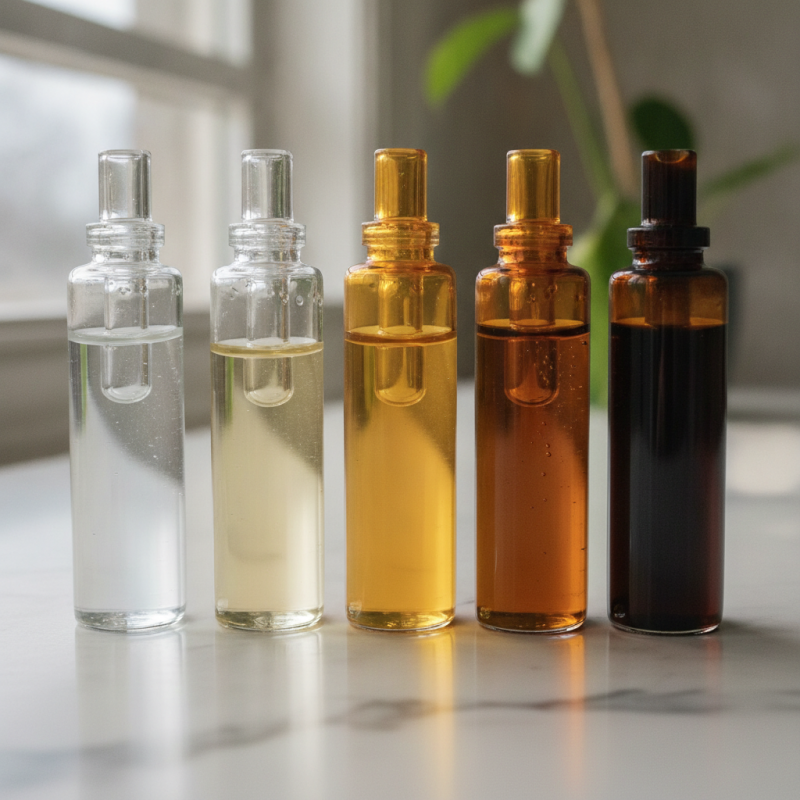
Factors Influencing the Color of CBD Vape Oil
The color of CBD vape oil can vary widely. Factors impacting this variation include the extraction method, the type of hemp used, and the presence of additives. Different extraction methods can leave behind residual chlorophyll or other plant materials. These contribute to varying shades of green or yellow. A cleaner extraction often results in a lighter oil, which many consumers prefer.
Additionally, the quality of the hemp plant itself is crucial. Hemp strains naturally differ in their pigment content. Some plants produce oils that are darker due to higher levels of chlorophyll. The ripeness at harvest influences this as well. Harvesting too late may lead to more chlorophyll, changing the oil’s color.
Additives also play a significant role. Flavorings and other compounds can alter the oil's visual appeal. Some users enjoy vibrant colors, while others might prefer subtle hues. It's vital to reflect on these aspects when selecting CBD vape oil. Consumer preference does not always align with quality. Understanding these influences can aid in making informed choices.
Chemical Composition of CBD Vape Oil and Its Impact
The color of CBD vape oil can change due to its chemical composition. This transformation can be influenced by factors like exposure to heat and light. The primary compounds in CBD oil include cannabinoids, terpenes, and flavonoids. When these compounds break down, they can alter the oil’s color. For instance, a clear oil might turn darker after being exposed to air and sunlight.
Terpenes, responsible for the oil's aroma, can also affect its color. Some terpenes are sensitive to heat, which can lead to degradation and color changes. Moreover, the extraction method impacts the chemical profile of CBD vape oil. Various extraction techniques yield oils with different terpene and cannabinoid concentrations. These differences can lead to a broader range of colors.
Often, these changes raise questions. Users may wonder if a darker oil means it's less effective or harmful. While it might affect flavor or potency, color alone isn't a definitive quality indicator. The oil’s age and storage conditions should also be considered. Regular monitoring can help users make informed choices about their CBD vape oil.
Effects of Temperature and Light on CBD Vape Oil Color
When it comes to CBD vape oil, color changes can be intriguing. Temperature and light exposure are significant factors in this process. Heat can cause chemical reactions within the oil, changing its hue. For instance, high temperatures may lead to oxidation, resulting in a darker shade. Conversely, lower temperatures often retain a lighter, fresher color.
Light exposure also plays a crucial role. UV rays can degrade the oil, altering its color over time. A bright, sunny shelf may not be the best place for CBD vape oil. Instead, keep the oil in a dark, cool cabinet. This simple action can help maintain its quality and flavor.
Tips: Always store CBD vape oil in a cool, dark place. Consider wrapping bottles in opaque material to block light. Be mindful about temperature fluctuations as well; consistent storage helps retain color and potency. Regularly inspect your oil for any changes that could indicate spoilage or degradation.
Understanding Oxidation and Its Role in Color Change
When examining the color change in CBD vape oil, oxidation plays a significant role. Oxidation occurs when a substance reacts with oxygen, leading to alterations in its chemical structure. This process can affect the cannabinoids, terpenes, and other compounds present in the oil. Over time, exposure to light and air can intensify the oxidation process, resulting in a darker hue.
In practical terms, these changes indicate that the oil may have undergone chemical reactions. For instance, fresh CBD oil often appears light or golden in color. As it oxidizes, it may transition to deeper shades, such as amber or even brown. While this doesn't necessarily mean the oil is harmful, it can reflect a decline in potency and flavor. Consumers should be aware of these changes as they may affect their experience with CBD products.
Understanding oxidation is crucial for users of CBD vape oil. It highlights the importance of proper storage. Keeping vape oils in cool, dark places can slow down oxidation. Even so, some color change is natural over time. Observing these changes can serve as a reminder to check the quality of the product regularly. This awareness encourages a more informed and responsible use of CBD vape oil.
How Additives and Terpenes Affect CBD Vape Oil Color
CBD vape oil can change color due to various factors, particularly the presence of additives and terpenes. Terpenes are aromatic compounds found in many plants. They contribute to the flavor and scent of CBD products. A study published in the Journal of Natural Products shows that terpenes can react with light and heat. This reaction may cause the oil to darken over time.
Additives such as flavorings and colorings can also impact the color. Some additives are natural, while others are synthetic. Natural additives may enhance the oil's color, making it more appealing. However, synthetic additives can introduce unwanted chemical reactions. For instance, a report from the American Journal of Botany indicates that prolonged exposure to light can lead to oxidation of certain compounds. This process often results in a darker oil.
The source of the CBD can influence color as well. Hemp plants grown in different conditions produce oils with varying properties. Factors such as soil quality, climate, and cultivation methods can alter the final product's hue. For consumers, understanding these factors is essential. Some variations in color may signal quality issues. Other changes could simply reflect the unique character of the oil.
FAQS
: The color can differ due to extraction methods, hemp type, and additives. These factors influence visual appeal.
Some methods leave behind chlorophyll, resulting in green or yellow shades. Cleaner methods yield lighter oils.
Yes, strains differ in pigment content. Some produce darker oils because of higher chlorophyll levels.
Harvesting too late increases chlorophyll content, changing the oil’s color. Timing is vital for quality.
Yes, flavorings and colorings can impact appearance. Some enhance color; others may cause unwanted reactions.
Not necessarily. Color alone isn't a quality indicator. Other factors like age and storage also matter.
Terpenes can degrade with heat and light, causing color changes. They also contribute to aroma.
Soil quality and climate during cultivation impact oil properties. This can lead to various color outcomes.
Some color changes might signal quality issues while others show the oil's unique character. Awareness is key.
Look beyond color. Consider the extraction method, hemp quality, and storage conditions for informed decisions.
Conclusion
CBD vape oil can change color for several reasons, prompting the question, "Why does CBD vape oil change color?" One primary factor is the chemical composition of the oil itself, which can vary depending on the extraction process and the source of the hemp. Additionally, oxidation plays a significant role in color changes over time, as exposure to air can alter the chemical structures within the oil, resulting in a shift in hue.
Other influences include the effects of temperature and light, both of which can accelerate the degradation of certain compounds in the vape oil, leading to color changes. Furthermore, the addition of terpenes and other additives can also affect the overall color. Understanding these factors can provide insight into the nature of CBD vape oil and its quality, allowing users to better appreciate this versatile product.
 Apex Vape
