Apex Vape
A disposable vape may look like a small plastic tube, but inside it sits a lithium-ion battery, wiring, and leftover liquid. These parts need careful handling. Material Focus reported that around five million single-use vapes were discarded each week in the UK in 2023. That figure makes the waste problem hard to ignore. It also shows why safe collection matters: damaged batteries can create fire risks in waste and recycling systems. Scott Butler, Executive Director of Material Focus, has urged people to recycle vapes rather than put them in general waste. Check local guidance, because accepted drop-off points and collection arrangements differ.
How to recycle disposable vapes safely? Start by keeping the device intact and dry; do not crush it, puncture it, or try to remove its battery. Look for a vape retailer or an approved electrical-waste collection point, and ask staff where used devices belong. Keep damaged, hot, or swollen vapes away from other waste and seek advice from the collection provider. Small steps help. The recycling route can feel inconvenient, and some local instructions are not very clear. That deserves attention, too. This guide’s ten tips explain how to store, transport, and hand over disposable vapes more safely, while avoiding claims that every component will be recycled. The goal is practical: reduce avoidable hazards and send each device to an appropriate collection stream.
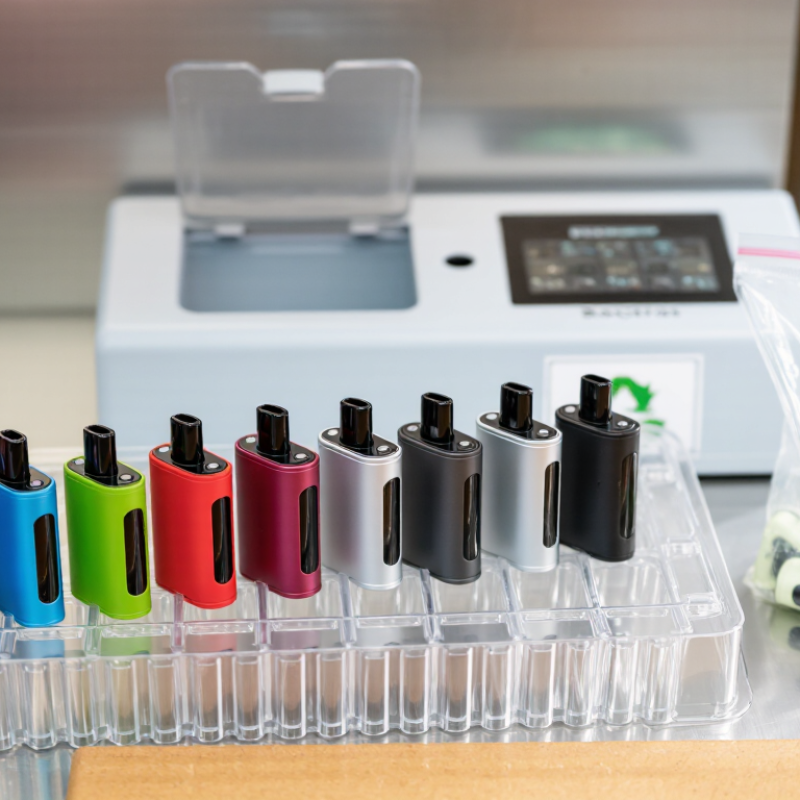
A disposable vape contains more than a plastic shell. Most have a small lithium-ion battery, a circuit board, metal parts, and plastic components. The exact materials vary by device. Some may also hold leftover liquid in a small reservoir or absorbent material. That residue can leak, so avoid touching it with bare hands. The battery is the main fire concern: crushing or puncturing it can cause overheating. Small device, real hazard.
Tips: Keep the vape intact and dry until you find an approved collection point. Do not open, crush, or place it in household recycling or trash. Collection programs differ; ask your local waste service whether it accepts whole devices. If liquid leaks, avoid skin and eye contact, and follow local cleanup guidance. A damaged, hot, or swollen device needs extra caution. Don’t guess.
Materials can be difficult to separate safely at home, even when the casing looks simple. A recycler may need to handle the battery and residue separately. If no drop-off option is obvious, contact your municipal waste office or a battery collection service before transporting it. Check the device for damage without squeezing it. I used to think “empty” meant harmless; that assumption deserves a second look.
Before recycling a disposable vape, check your city or county waste website. Search for guidance on batteries, electronic waste, or household hazardous waste collection. Rules vary. Check before traveling. Some drop-off sites accept small devices; others do not. Call ahead if the instructions are unclear, and confirm opening hours and quantity limits. An ordinary recycling bin may not be suitable because the device contains a battery and electronic parts. That detail is easy to miss.
Use a collection point approved by your local authority or a recognized waste facility. Look for a staffed counter or a clearly labeled battery-and-electronics container. Keep the device intact, dry, and away from heat while carrying it. Do not pry it open or crush it. If it is swollen, leaking, unusually warm, or visibly damaged, keep it away from other items and contact the collection site for handling advice. That extra call can feel fussy. Still, guessing is not a reliable recycling plan.
Before recycling a disposable vape, switch it off if it has a power control. Keep the device whole. Do not pry open the casing, remove the battery, or pull out internal parts; the lithium battery can be damaged by pressure or sharp tools. A small dent may seem harmless, but it can hide damage you cannot see. Keep the vape dry and away from sunlight, heaters, and loose metal objects such as keys or coins. Don’t rinse it or wipe liquid into the charging port. If the outside is wet, avoid touching the residue and check with your local recycling program for safe handling advice.
Take a moment to look for cracks, swelling, unusual warmth, or leaking. Don’t squeeze or test a device that looks damaged. Contact your local waste or recycling service for instructions before moving it, especially if it is warm or leaking. For an intact vape, place it separately in a sturdy box or container so it cannot roll around or press against other items. Follow the collection site’s packing directions; they may differ. I might be tempted to tape things down for the trip, but covering openings or wrapping the whole device can hide damage and may not be suitable. Keep it visible and undisturbed until drop-off.
Transport and Deposit the Device Safely
A disposable vape contains a battery, so handle it gently on the way to a collection point. Keep it away from keys, coins, and other metal objects that could damage it. Carry it in a small, sturdy container, and don’t leave it in a hot car or direct sun. Keep it cool. If the device is swollen, leaking, unusually warm, or damaged, don’t place it in a regular collection bin. Contact your local waste service for instructions.
Tips: Don’t crush, open, or try to remove the battery. No loose pockets. Check the collection site’s guidance before traveling; accepted items and drop-off procedures can vary. At the site, ask staff where the device belongs rather than guessing. A quick question can prevent a misplaced battery.
It’s easy to overlook a vape in a bag until it gets knocked around. Set it aside from everyday items before leaving, and take it directly to the designated battery or electronics collection point. Don’t put it in household recycling or general waste. If there’s no nearby drop-off, check with your local waste authority for a suitable option. The advice may feel cautious, but batteries deserve careful handling.
| Tip | What to Do | Why It Matters |
|---|---|---|
| 1. Find an accepted collection point | Check with your local household hazardous-waste program, e-waste collection site, or other authorized facility. Confirm that it accepts disposable vapes before you travel. | Acceptance rules vary by location, and not every battery or e-waste collection point accepts vaping devices. |
| 2. Keep the device intact | Do not dismantle, crush, puncture, or try to remove the battery or liquid reservoir. | The built-in lithium battery can be damaged, creating a fire or injury risk; vape liquid may also contain nicotine. |
| 3. Switch it off if possible | Use the device’s normal off function if it has one. Do not press buttons repeatedly or attempt to modify it. | Reducing the chance of accidental activation can help prevent heating during handling and transport. |
| 4. Protect it from short circuits | Keep the device separate from keys, coins, and other metal objects. Follow the collection site’s instructions for bagging or packaging. | Metal objects can create an electrical connection if they contact exposed battery parts. |
| 5. Use a secure container for transport | Carry the device in a stable, non-metal container that prevents it from being crushed or knocked around. Do not seal a damaged or hot device in an airtight container. | A secure container helps limit physical damage while avoiding unsafe handling of a device that may be overheating. |
| 6. Keep it cool and dry | Store and transport the device away from direct sunlight, hot vehicles, heaters, water, and other sources of heat or moisture. | Heat and physical or water damage can increase the chance of battery failure. |
| 7. Do not put it in household bins | Keep disposable vapes out of household rubbish and ordinary curbside recycling unless your local authority specifically instructs otherwise. | Lithium batteries can start fires in waste and recycling collection vehicles or facilities. |
| 8. Do not charge or use it before drop-off | Once you have set it aside for recycling, do not recharge, test, or continue using it. | Further use or charging can add heat or stress to a battery intended for disposal. |
| 9. Treat damaged or leaking devices with care | If a device is swollen, hot, leaking, smoking, or visibly damaged, do not place it in a regular collection box. Avoid contact with leaked liquid and ask the local hazardous-waste program or fire service for handling instructions. If it is smoking or burning, move away and contact emergency services. | A damaged lithium battery may ignite, and leaked vape liquid can be harmful if touched or swallowed. |
| 10. Hand it directly to staff or use the designated receptacle | At the facility, follow posted instructions and tell staff if the device is damaged or leaking. Do not leave it beside a collection bin. | Correct placement helps ensure the device enters a collection stream equipped to handle batteries and electronic waste. |
Always follow local disposal rules and the collection facility’s instructions. Never place a disposable vape in a fire or attempt to burn it.
A disposable vape is not just plastic packaging. It usually contains a small lithium battery and electronic parts, so ordinary curbside recycling may not be suitable. Check your local waste authority’s website or call a household hazardous-waste or e-waste facility. Ask whether it accepts complete disposable vapes, not only loose batteries. Tiny item. Important distinction.
Collection rules vary. A battery drop-off box may reject devices with sealed batteries, while an e-waste site may accept the whole unit. Confirm before making the trip, and follow the site’s instructions for packing and drop-off. Do not pry open the casing, cut wires, or force the battery out. That can damage the cell. I used to assume “battery recycling” covered every battery-powered object; it does not, and the labels can be unclear.
If the device is swollen, leaking, unusually warm, or visibly damaged, keep it away from heat and metal objects. Don’t put it in a household bin or a public battery box. Contact a local hazardous-waste service for handling advice, and mention the damage before transporting it. If no clear instructions are posted, pause and ask. A quick call is less frustrating than finding a rejected device at the counter.
It may contain a lithium-ion battery, circuit board, metal parts, plastic, and leftover liquid. Materials vary by device.
No. Its battery and electronic parts may need special handling. Check local collection guidance.
No. Keep it intact and dry. Crushing or puncturing the battery can cause overheating.
Avoid touching the liquid with bare hands or getting it in your eyes. Follow local cleanup guidance.
Keep it away from other items and contact the collection site for handling advice. Don’t guess.
Check your city or county waste website for battery, electronic waste, or household hazardous waste collection. Call ahead to confirm hours and accepted items.
Not necessarily. It may still contain residue, and the battery remains a concern. I once assumed empty meant safe; that needs a second look.
Keep it intact, dry, and away from heat. Small device, real hazard.
How to recycle disposable vapes safely? Start by recognizing that these devices may contain a rechargeable battery, electronic components, and leftover liquid, so they should not be treated as ordinary household waste. Check your local disposal guidance and locate an approved battery or e-waste collection point before setting out. Collection options and instructions can differ by area, so confirm that the drop-off site accepts disposable vaping devices.
Keep the vape intact: do not open, crush, puncture, or attempt to remove its battery or other parts. Store it away from heat and moisture, and transport it carefully to prevent damage. At the collection point, follow the staff’s directions and make sure the device is placed in a container intended for batteries or electronic waste. These simple steps help reduce the risk of fire or leaks and support safer handling of the device’s materials.
