Apex Vape
Transitioning from smoking to vaping can be a challenging journey. Many individuals seek alternatives for a healthier lifestyle. However, knowing how to transition from smoking to vaping successfully is crucial. Vaping offers potential benefits, but the process requires careful planning and commitment.
It's important to approach vaping with realistic expectations. Some people may find themselves struggling with cravings or adjusting to new devices. Finding the right equipment and flavor can play a significant role in this process. Many users discover that it takes time to adapt. Not every vape will feel comfortable initially.
In this guide, we will explore practical tips to ease your transition. From selecting the perfect device to understanding nicotine levels, each step matters. Gaining insight into this shift can make a difference. By sharing valuable experiences, we aim to enhance your vaping journey while ensuring a smoother path away from traditional smoking.
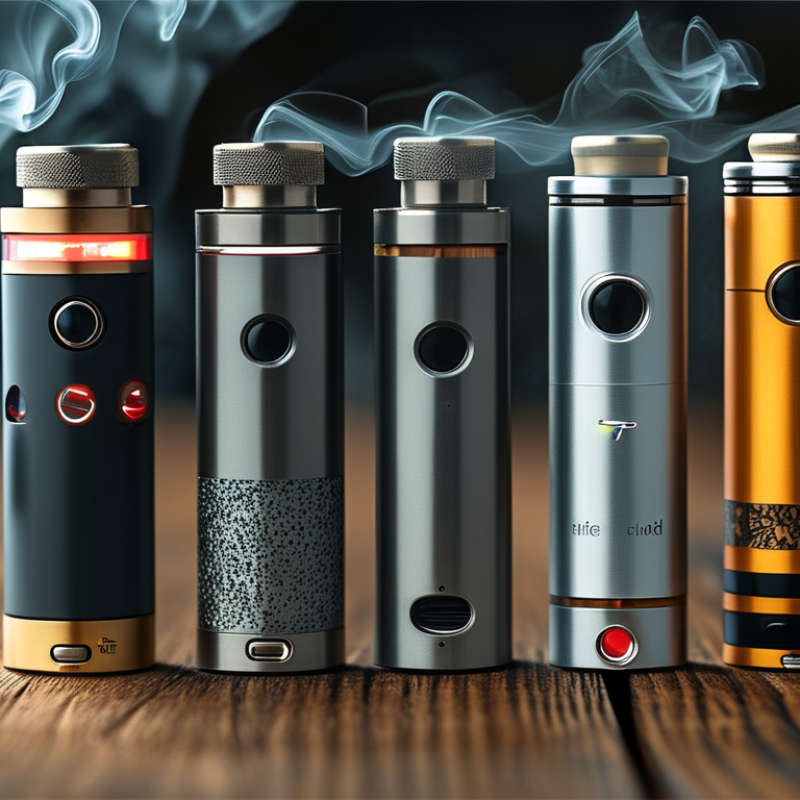
Smoking and vaping are two very different experiences. Smoking involves burning tobacco, releasing harmful chemicals into the lungs. In contrast, vaping heats a liquid, often containing nicotine, flavorings, and other chemicals. This process produces vapor rather than smoke. Many believe vaping to be the less harmful alternative, as it reduces exposure to many toxic components found in traditional cigarettes.
Understanding these differences can help in transitioning from smoking to vaping. For one, the taste and sensation can vary widely. Vaporizers come in numerous flavors, allowing users to find one that suits their preference. This can make the switch more appealing. It is also essential to note that vaping is not completely risk-free. Some users may find themselves craving more nicotine if they choose high-concentration e-liquids. Finding the balance can be a challenge.
Addressing the mental and physical aspects is crucial too. Many smokers have routines tied to their habit. Replacing these behaviors effectively can take time. It is vital to reflect on what triggers the urge to smoke. Understanding your habits can aid in making healthier choices. Transitioning is a journey that includes ups and downs. Embracing this process can lead to a more satisfying experience with vaping over time.
Choosing the right vape device is crucial for a smooth transition from smoking. Many users may find themselves overwhelmed by the options available. Research shows that there are three major categories of devices: cigalikes, vape pens, and mods. Each has distinct features that cater to different preferences and lifestyles.
Cigalikes are designed to resemble traditional cigarettes. They are easy to use and ideal for beginners. Studies indicate that users transitioning from smoking to vaping often appreciate this familiarity. In contrast, vape pens offer more customization. Their battery life and tank capacity are typically greater, allowing for longer usage. Reports suggest these devices can provide a more satisfying experience for those who previously smoked heavily.
Mods represent the most advanced category. They allow users to adjust wattage and airflow, tailoring the experience further. This flexibility attracts seasoned vapers, but it can be daunting for newcomers. Many users struggle to find the perfect settings. It's crucial to start simple and gradually explore options. Remember, the right choice should fit your smoking habits and lifestyle, ensuring a comfortable transition.
Transitioning from smoking to vaping is a nuanced journey. Setting realistic goals can greatly enhance this process. Many smokers underestimate the challenges they face when attempting to quit. A study by the CDC indicates that only about 7% of smokers successfully quit each year. This stark number highlights the importance of having a solid plan in place.
Start by assessing your nicotine intake. Many users are surprised by how much nicotine they consume daily. This knowledge helps set achievable goals. Gradually reducing nicotine levels is one effective strategy. For instance, moving from a high-nicotine e-liquid to a lower one may help ease cravings. Remember, progress may feel slow at times, and setbacks can happen. It’s crucial to remain patient and reflect on your achievements.
Monitoring triggers is essential, too. Identify the situations that prompt cravings. Keeping a journal to note these moments can be enlightening. For many, the social aspect of smoking is the hardest to let go. Engaging with support groups or online communities can provide motivation. Embracing this journey requires honesty with yourself and a willingness to adapt your goals along the way.
Transitioning from smoking to vaping can be challenging, particularly when managing nicotine levels. Understanding your current nicotine intake is essential. Many smokers may not realize how much nicotine they consume daily. Start by assessing how many cigarettes you smoke and the strength of your preferred brand. This baseline knowledge will guide your transition.
Gradually reduce your nicotine levels. If you typically smoke high nicotine cigarettes, consider starting with higher nicotine e-liquids. This can ease withdrawal symptoms. Over time, switch to lower nicotine options. Your body will adjust, but cravings might persist. It’s important to stay mindful of these urges and have a plan to manage them.
Stay hydrated and consider distraction techniques. Drink plenty of water to combat the dry mouth often associated with vaping. Engaging in a hobby or exercise can also help redirect focus away from cravings. Remember, it’s okay to have ups and downs. Recognizing that this journey may take time can make the transition smoother. Evaluate what works best for you as you navigate this change.
Transitioning from smoking to vaping can be challenging. Many experience withdrawal symptoms during this shift. Understanding these symptoms helps to manage them better. Data from health sources indicate that around 50% of individuals report irritability and mood swings when they stop smoking. Notably, cravings can strike unexpectedly, complicating the transition.
To tackle these symptoms, developing coping strategies is vital. Regular exercise can elevate mood and reduce anxiety. A study showed that physical activity decreases cravings significantly. Deep breathing techniques serve as another helpful tool. They can calm the mind and distract from cravings. Mindfulness meditation can also aid in managing stress during this process.
Maintaining a support network enhances success rates as well. Engaging with peers or support groups can mitigate feelings of isolation. Reports indicate that individuals who seek social support are 30% more likely to succeed in their transition. Keeping a journal to track progress may provide insights and motivation. These practical steps help during tough moments, creating a more mindful and deliberate transition to vaping.
: Start by evaluating your daily nicotine intake. Understanding how much you consume is crucial for setting goals.
Gradually reduce nicotine levels. Begin with higher nicotine e-liquids then move to lower ones over time.
Many experience irritability, mood swings, and unexpected cravings during the transition from smoking.
Regular exercise, deep breathing techniques, and mindfulness meditation can lessen symptoms and improve mood.
Engaging with peers or support groups significantly boosts your chances of successful transition.
Yes, maintaining a journal can provide valuable insights and motivation as you navigate this journey.
Yes, setbacks can happen. It's important to remain patient and reflect on your achievements despite challenges.
Staying hydrated and engaging in hobbies or exercise can redirect focus and reduce craving intensity.
Absolutely. The social element is tough for many, and it may require extra effort and support to overcome.
Embrace honesty with yourself and be willing to adapt your goals throughout the transition.
The journey of quitting smoking and transitioning to vaping can be challenging, but with the right approach, it can also be rewarding. To understand how to transition from smoking to vaping successfully, it is crucial to first acknowledge the differences between the two habits. This awareness helps in selecting the right vape device that suits individual needs, ensuring a more comfortable switch. Setting realistic goals during this transition can keep motivation high and make the process more manageable.
Additionally, managing nicotine levels is essential to ease withdrawal symptoms effectively. Gradually adjusting nicotine intake can make the transition smoother. It is also important to develop strategies to cope with cravings and other challenges that may arise, such as finding support from friends or communities. By combining these strategies, individuals can achieve a successful and lasting transition from smoking to vaping.
