Apex Vape Apex Vape

How to Recycle Disposable Vapes Safely in 5 Easy Steps?

Time:2026-06-10 Author:Sophia
0%

In recent years, the rise of disposable vapes has posed significant environmental challenges. According to a report by the World Health Organization, nearly 2 million disposable vapes are discarded daily, contributing to electronic waste. The growing concern around their improper disposal highlights the need for effective recycling methods.

Experts in the field emphasize the importance of understanding "How to recycle disposable vapes safely?" Dr. Sarah Thompson, a sustainability consultant, states, "Every small effort counts in addressing the waste crisis linked to disposable vapes." This sentiment underscores the necessity for consumers to adopt responsible disposal practices.

Many are unaware of the risks associated with these devices. The batteries and chemicals in disposable vapes can harm the environment if not handled properly. The urgency to find safe recycling methods is clear. Learning to recycle these products properly can mitigate health risks and environmental damage. This guide will explore effective steps to achieve that goal.
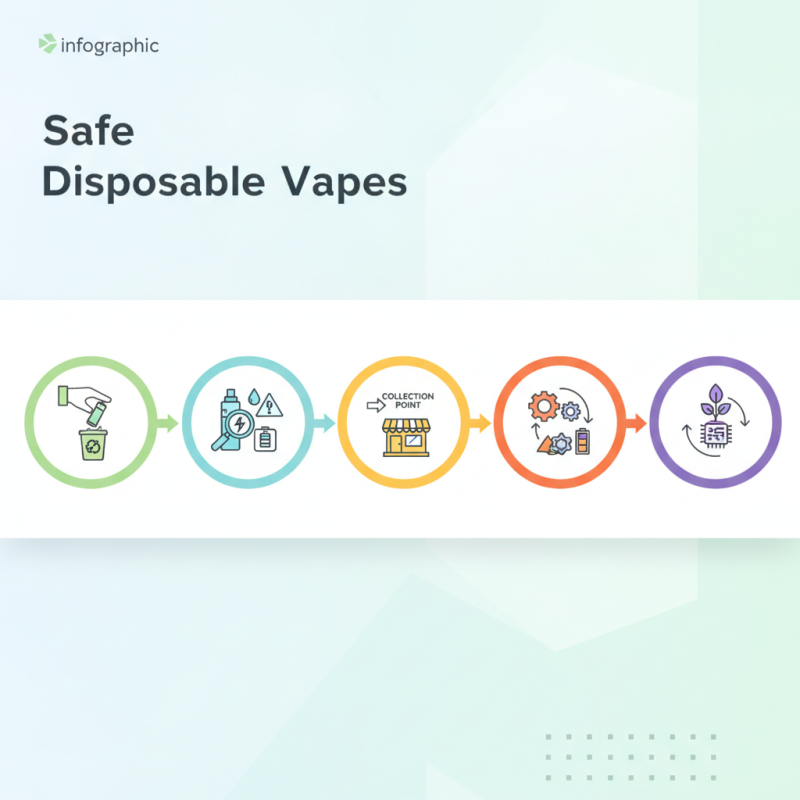
How to Recycle Disposable Vapes Safely in 5 Easy Steps?

Understanding the Environmental Impact of Disposable Vapes

Disposable vapes have surged in popularity, raising concerns about their environmental impact. The American Chemistry Council reported that over 5.4 million disposable vapes were sold in the U.S. in 2021 alone. These devices contain plastic, lithium batteries, and harmful chemicals, posing significant risks to our ecosystem. A study from the World Health Organization indicates that improper disposal of e-waste, including vaping devices, can lead to soil and water contamination.

The absence of comprehensive recycling programs for disposable vapes exacerbates these issues. Many users are unaware that these devices are recyclable. One 2022 report highlighted that only 1% of e-waste is properly recycled. This lack of awareness contributes to the increasing amount of waste in landfills. Batteries, for example, can leak toxic substances if not disposed of correctly, harming wildlife and human health.

Addressing this issue requires increased consumer education and responsible disposal options. Engaging local communities in recycling initiatives can help bridge the gap. Some organizations, like the Electronic Industry Citizenship Coalition, advocate for proper recycling practices. However, these efforts still fall short. More collaboration is needed among consumers, manufacturers, and recyclers to combat the environmental footprint of disposable vapes.

How to Recycle Disposable Vapes Safely in 5 Easy Steps? - Understanding the Environmental Impact of Disposable Vapes

Step Description Environmental Impact Recycling Options
1 Ensure the vape is empty before recycling. Prevents harmful chemicals from leaking. Check local disposal guidelines.
2 Remove any non-recyclable components. Reduces landfill waste. Separate batteries and plastics for recycling.
3 Find a designated recycling center or program. Promotes responsible recycling of electronic waste. Local e-waste recycling events or landfills.
4 Follow local laws and guidelines for recycling. Ensures compliance with environmental regulations. Government recycling programs.
5 Educate others about proper disposal. Helps raise awareness of environmental issues. Community workshops or seminars.

Identifying Components of Disposable Vapes for Recycling

Identifying the components of disposable vapes is crucial for safe recycling. Disposable vapes typically contain a battery, liquid reservoir, and various plastic components. Understanding these materials helps in proper disposal and recycling efforts. Research indicates that over 50 million disposable vapes are sold annually in the U.S. alone, contributing to significant environmental challenges.

The lithium batteries in disposable vapes pose a risk if not disposed of correctly. These batteries can leak harmful chemicals into the environment. A study by the Battery Association found that improper disposal leads to nearly 30% of e-waste being recyclable but not recycled. This highlights the importance of identifying batteries and ensuring they are directed to appropriate recycling programs.

Many consumers may not realize that vape liquids also contain nicotine and other chemicals, which require special handling. The European Environment Agency reports that around 40% of e-waste generated goes uncollected. This statistic emphasizes a crucial gap in public awareness about recycling e-waste properly. Engaging with local recycling programs can mitigate these environmental impacts while promoting a healthier planet.

Gathering Necessary Tools for Safe Disposal of Vapes

When it comes to disposing of disposable vapes, gathering the right tools is essential for safety and environmental responsibility. Start with thick gloves. These protect your hands from any residual chemicals that might linger on the device. A sturdy plastic bag helps contain any leaks or sharp edges from broken vapes. Keep a pair of scissors handy. They can be useful for safely cutting open the vape if necessary.

Next, prepare a safe disposal container. An empty metal or glass container works well. Make sure it's clearly labeled as a "Hazardous Waste." This helps others recognize the contents. Finally, consider a mask. Vapes can release fumes during disposal, so protecting your respiratory system is wise. Proper tools not only ensure your safety but also contribute to careful recycling practices.

Disposable Vapes Recycling Awareness

This chart illustrates the current state of recycling awareness and participation regarding disposable vapes. The metrics include general awareness, participation in recycling programs, knowledge about how to recycle, and access to recycling facilities. These dimensions highlight the importance of improving both knowledge and infrastructure for effective recycling.

Step-by-Step Process for Recycling Disposable Vapes

Recycling disposable vapes is essential for reducing environmental harm. According to a 2022 industry report, over 1.5 billion vapes are discarded annually, adding to waste. Here’s a step-by-step guide to recycle them safely.

Start by removing all components. Take apart the device, removing the battery, e-liquid, and plastic parts. Batteries contain lithium, which can be hazardous if not disposed of properly. In 2021, the Recycling Industry Coalition noted that only 5% of lithium batteries were recycled effectively.

Next, locate a recycling drop-off center. Many communities offer e-waste recycling days or have designated locations. Research local options to find an appropriate facility. Remember that not all dumpsters accept these items. Depending on location, some recycling stations may not handle vapes specifically.

Finally, ensure to educate yourself on local regulations. Recycling processes vary widely by region. Understand the guidelines for hazardous waste in your area. Awareness can prevent improper disposal that harms the environment. Following these steps helps promote a culture of sustainability in a growing industry that is still defining its best practices.

Finding Local Recycling Programs for Electronic Waste

Finding local recycling programs for electronic waste, including disposable vapes, is essential for responsible disposal. Many communities have set up specific programs aimed at handling electronic waste. Start by checking your city’s waste management website. Often, they provide information about local drop-off centers or special collection events for electronic items.

Tips to find recycling programs include visiting local environmental organizations' websites. They frequently have updated lists of resources. Call your local waste management office to ask about specific recycling initiatives in your area. You might also explore community bulletin boards for announcements. If your local recycling program is limited, consider collaborating with friends or family to organize a larger collection effort.

It’s worth reflecting on the implications of our choices. Many users might assume that throwing vapes in regular trash is fine. However, this can lead to toxic materials leaking into the environment. Prioritizing recycling means contributing to a cleaner future. Even small efforts can create significant change in waste management practices. A shared commitment to sustainable habits is key.

FAQS

: What are the main environmental concerns associated with disposable vapes?

: Disposable vapes contribute to plastic waste, contain lithium batteries, and harmful chemicals. They risk soil and water contamination.

How many disposable vapes were sold in the U.S. in 2021?

Over 5.4 million disposable vapes were sold in the U.S. in 2021, raising significant environmental issues.

What percentage of e-waste is properly recycled?

Only 1% of e-waste, including disposable vapes, is properly recycled. This leads to increased landfill waste.

What materials are found in disposable vapes?

Disposable vapes typically contain batteries, liquid reservoirs, and plastic components. Identifying these helps in recycling efforts.

Why is proper disposal of lithium batteries important?

Improper disposal of lithium batteries can leak harmful chemicals. This poses risks to wildlife and human health.

How can consumers find local recycling programs for e-waste?

Check your city’s waste management website or call local offices. Community boards can also provide information.

Why is community engagement important for recycling efforts?

Engaging local communities promotes awareness and increases participation in recycling initiatives. Collective action can drive change.

What is a misconception about disposing of vapes?

Many believe throwing vapes in regular trash is acceptable. This misconception contributes to environmental harm and improper disposal.

How can personal efforts influence waste management practices?

Even small recycling efforts can lead to significant changes. A shared commitment to sustainability matters for the planet's future.

What should individuals reflect on when disposing of disposable vapes?

Consider the environmental impact of your choices. Prioritizing recycling can lead to a cleaner, healthier future.

Conclusion

In the quest to address the environmental impact of disposable vapes, it’s crucial to understand their components for effective recycling. The question of "How to recycle disposable vapes safely?" can be answered by first identifying the battery, casing, and any remaining e-liquid. Once you have this knowledge, gather the necessary tools for safe disposal, such as gloves and a designated container.

The recycling process involves a systematic approach: starting with safely disassembling the vape, properly disposing of the e-liquid, recycling the battery, and discarding the plastic and metal components responsibly. Finally, finding local recycling programs that accept electronic waste will ensure that disposable vapes are recycled in an environmentally-friendly manner. By following these steps, we can minimize the ecological footprint of disposable vapes and promote sustainable practices.

Sophia

Sophia

Sophia is a dedicated marketing professional with an exceptional depth of knowledge about her company's products and services. With a keen understanding of market trends and customer needs, she crafts insightful blog posts that not only inform but also engage readers, enriching the company’s online......