Apex Vape
CBD vape oil can change appearance over time, and a darker shade is not automatically a sign of spoilage. “Why does CBD vape oil change color?” The answer may involve several factors, including exposure to light, heat, and air, as well as the oil’s ingredients. Some formulas contain plant compounds or flavorings that naturally produce a golden or amber tint. A bottle left near a sunny window may also look different from one kept in a cool, dark place. That detail matters.
Color alone cannot confirm quality or safety. Compare the oil with its original appearance, check the product’s date and packaging, and look for changes in smell, texture, or clarity. Cloudiness, visible particles, leakage, or an unusual burnt odor deserve attention, especially when they appear alongside a sudden color shift. Still, one sign by itself may not tell the whole story.
This guide explains which changes can be ordinary and which may call for caution. It also covers storage conditions and practical checks that consumers can make without guessing. If the oil looks or smells notably different, stop using it and contact the manufacturer for product-specific guidance. Do not rely on color as a test. Product formulas vary, and advice that fits one bottle may not fit another. That uncertainty is easy to overlook.
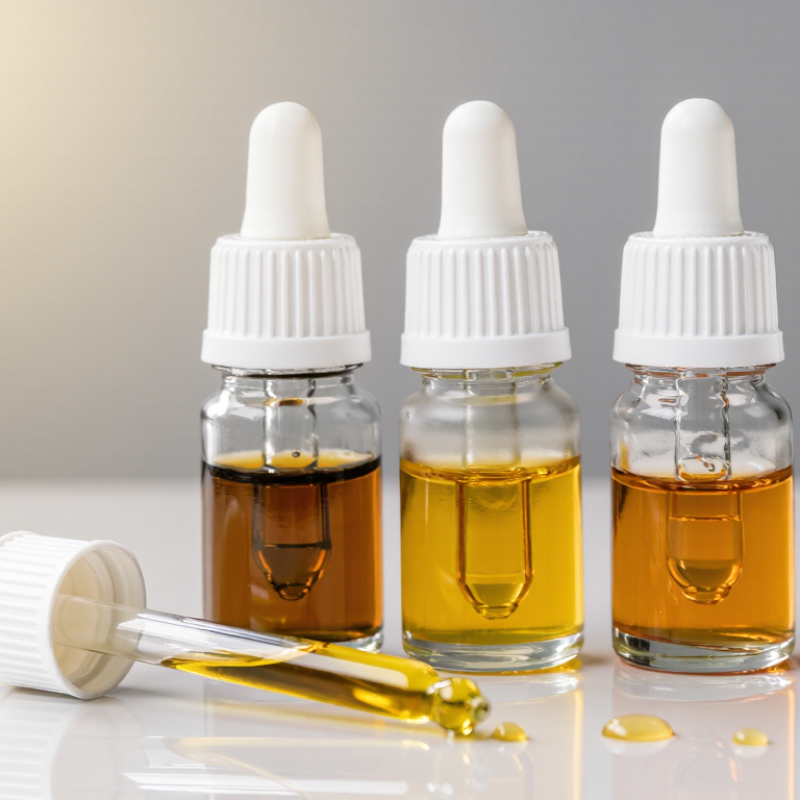
CBD vape oil can range from nearly clear to pale gold or amber. Its color may reflect the hemp extract, carrier ingredients, flavoring, or processing method. A slight shade difference between bottles is not automatically a warning sign. Still, color alone cannot confirm quality or safety. That part is easy to overlook.
Clarity offers another clue, but it needs context. A uniform liquid with no unexpected particles may look normal for that product. Cloudiness, floating bits, or a new layer of separation can suggest a change in storage conditions or the oil itself. Heat and sunlight may affect appearance over time. A darker shade can also develop with age, though there is no reliable color test that identifies the cause. If the oil smells rancid, looks unusually thick, or changes sharply, avoid guessing; check the product instructions or ask a qualified professional.
Tips: Compare the oil with its original appearance, if you recorded it. Store it as the label directs, away from direct sun and hot windowsills. Don’t shake away persistent separation and assume it is fixed. If the liquid looks or smells unfamiliar, pause use and contact the seller or manufacturer for batch-specific guidance. A photo can help, but it may not show clarity accurately.
A change in CBD vape oil color does not automatically mean the oil has spoiled. Light, warmth, and time may affect its appearance, but color alone cannot confirm that it is safe or usable. Start with the label: check the CBD amount, batch or lot number, storage instructions, and expiration date. Make sure the ingredient list is clear and complete. Do not assume an ingredient is suitable for inhalation just because it is safe to eat. If the label is missing, unclear, or inconsistent with the package, pause and ask the seller or manufacturer for details.
Tips: Compare the oil with a photo taken when you opened it. Look for unexpected cloudiness, particles, separation, or a new odor. Check that the bottle was stored as directed. Don’t try to hide changes by heating or shaking it.
An expired product, a damaged seal, or an unexplained change deserves caution. If the date has passed, or the ingredients and intended use are uncertain, avoid using it and seek reliable product guidance. I might be tempted to judge by color alone, but that is not a dependable check. Keep the label and packaging handy when asking questions.
Which Color Changes May Occur During Storage
CBD vape oil may shift from nearly clear to pale yellow or light amber over time. Gentle darkening can happen as ingredients react with oxygen, light, or warmth. A bottle left beside a sunny window may change faster than one kept cool and shaded. Some oils also look thicker when cold, then become clearer at room temperature. Color alone cannot diagnose safety. It is only a clue.
A 2010 storage study by Lindholst in the Australian Journal of Forensic Sciences tracked cannabinoid profiles in cannabis resin and extracts under different light and temperature conditions. It reported that storage conditions affected cannabinoid stability, with light and warmth contributing to degradation. The study did not test every CBD vape formulation, so its findings are useful context, not a color chart. A slight, even amber tint may be ordinary; sudden darkening, cloudiness, visible particles, or separation deserves closer attention. Check the product’s storage guidance, and ask a qualified laboratory or healthcare professional if the change is unexplained. I would not treat a familiar color as proof of quality. Formulas differ, and appearance can hide changes that only testing can detect.
A slight shift in CBD vape oil color can happen with age, light, or warmth, and color alone cannot confirm contamination. The warning signs matter more. Be cautious if clear oil turns suddenly very dark, develops persistent cloudiness, or contains floating specks or sediment. A thin layer of separation that remains after the container has rested may also deserve attention. Don’t shake it and assume the problem is fixed. Color is an imperfect clue.
Check for a sharp, rancid, or unusually chemical odor without deliberately inhaling vapor to test it. Also inspect the container: a cracked cartridge, leaking seal, or damaged cap can expose oil to air and debris. Heat and direct sunlight may speed changes, so note where it was stored and check the printed expiry date. A faint color change may be harmless; that uncertainty is frustrating, but appearance cannot settle it. If the oil has a new odor, visible particles, unusual thickness, or questionable packaging, don’t use it. Keep the container and batch details, then ask the seller or a qualified product professional about the specific change.
| Appearance or change | Possible explanation | What to check | Recommended action |
|---|---|---|---|
| Clear, pale yellow to light amber oil | This can be a normal appearance. Color varies with the extract, formulation, and manufacturing process. | Compare it with the product’s original appearance and storage instructions. Check that it is specifically labeled for inhalation. | Use only as directed if the package is intact and the product is from a traceable source. |
| Gradual darkening over time | Exposure to heat, light, or oxygen can alter some ingredients and may contribute to oxidation or aging. Color alone cannot confirm degradation. | Consider how long it has been stored, whether it was exposed to sunlight or high temperatures, and whether the seal or cartridge is damaged. | If the change is substantial or accompanied by an unusual odor, altered texture, or damaged packaging, stop using it and contact the seller or manufacturer. |
| Sudden or uneven color change | Possible causes include formulation variation, mixing, heat exposure, or a product-quality problem; appearance alone cannot identify the cause. | Check the batch information, expiry or best-before date, ingredient list, and whether the product matches its original condition. | Do not vape it if the change is unexplained. Seek product-specific guidance from a qualified source. |
| Cloudiness, crystals, or thickening | Some formulations may change with temperature, and certain ingredients can become less fluid when cool. These signs are not proof that the product is safe or unsafe. | Review the storage instructions. Look for persistent separation, particles, or a change that does not resolve under the product’s stated storage conditions. | Do not heat the product with a flame or use it if its condition remains uncertain. Follow the manufacturer’s instructions or discard it safely. |
| Visible foreign particles, possible mold, or unusual separation | May indicate contamination, damage, or an unstable product. A visual check cannot reliably identify contaminants. | Check for a broken seal, leaks, damaged cartridge, or signs that the product was stored improperly. | Do not use it. Keep it away from children and pets, and contact the seller or local poison-control service if exposure has occurred. |
| New rancid, burnt, chemical, or otherwise unusual odor | An odor change can accompany aging, overheating, or a product-quality issue, but smell cannot determine the specific cause. | Compare with the product’s expected description without inhaling or tasting it to test it. | Stop using it. Do not taste or deliberately inhale the oil; seek advice from the product supplier or a healthcare professional. |
| Oil is not clearly labeled for vaping or inhalation | Products intended for oral, topical, or other use may contain ingredients unsuitable for inhalation. | Read the full label and ingredient information. Do not assume that a product is vape-safe because it contains CBD or looks clear. | Do not vape it unless it is explicitly intended for inhalation and its ingredients and source are clearly stated. |
Important: Color is not a reliable test for potency, purity, or contamination. When in doubt, do not use the product. Store it as directed, away from heat, light, and air, and seek medical advice if vaping causes breathing difficulty, chest pain, or other concerning symptoms.
How to Tell If CBD Vape Oil Color Change Is Normal?
CBD vape oil may darken gradually during storage. Exposure to heat, light, and air can contribute to oxidation, though formulas differ. A mild shift alone cannot confirm that the oil is safe or spoiled. Color alone proves little. In a 2017 JAMA analysis of 84 online CBD products, only 31% were labeled within 10% of their measured CBD content. The study assessed labeling, not color, but it shows why appearance cannot replace quality checks.
Stop using the oil if the color changes suddenly, it develops a burnt or rancid odor, or you see particles, cloudiness, or unusual separation. Do not try to vape it again to check. Keep the container and note the batch number, expiry date, storage conditions, and when the change began. Contact the manufacturer for batch-specific testing information and report the change; include clear photos. If vaping causes breathing trouble or another serious reaction, seek urgent medical care.
Tips: Store the sealed container away from sunlight and heat. Ask the manufacturer whether the change is expected for that formula. If you cannot verify its condition, set it aside until you receive a clear response.
How to read this chart: A color change by itself does not prove that vape oil is unsafe; light, heat, and oxidation can affect its appearance. Stop using the oil if you notice an unusual odor or visible mold or foreign material, and contact the manufacturer. This chart counts observable warning signs, not laboratory-measured risk. Follow the product label and do not use oil past its expiration date.
It may look nearly clear, pale gold, or amber. Small shade differences can occur between bottles.
Not necessarily. Heat, light, air, and age may affect its color. Color alone proves little.
They may signal a change in the oil or its storage conditions. Check the product instructions and seek batch-specific guidance.
Not always, but persistent or unusual separation deserves attention. Don’t shake it away and assume the oil is fine.
Pause use if it changes suddenly, smells burnt or rancid, becomes unusually thick, or develops cloudiness or particles.
No. Don’t test it by vaping. Set it aside until you get clear guidance.
Share the batch number, expiry date, storage conditions, and when the change began. Clear photos may help, though they cannot show clarity perfectly.
Follow its label directions. Keep it away from direct sunlight and hot windowsills.
No. Appearance cannot replace quality checks. It is easy to overread a shade.
Why does CBD vape oil change color? Changes may result from exposure to light, heat, air, or time, and a slight shift in shade does not always mean the oil has spoiled. Color and clarity can offer clues, but they should be considered alongside the product’s label, listed ingredients, storage guidance, and expiration date. Some gradual darkening or changes in clarity may occur during storage, especially if the container has been opened or kept in warm, bright conditions.
Look for warning signs such as an unexpected or rapid color change, unusual cloudiness or particles, an altered smell, a damaged seal, or packaging that appears compromised. If the oil’s appearance raises concern, it is past its expiration date, or the label and contents do not seem consistent, stop using it. Contact the manufacturer for product-specific guidance, and avoid relying on color alone to judge quality or safety.
