Apex Vape Apex Vape

How to Fix a Leaking Pod System Easily and Effectively?

Time:2026-08-17 Author:Aria
0%

Dealing with a leaking pod system can be frustrating. Many users encounter this problem at some point. Understanding how to fix a leaking pod system effectively is essential for a hassle-free vaping experience.

To tackle this issue, one must consider various factors. A common culprit for leaks is improper assembly. If the pod isn’t secured correctly, e-liquid can escape. Additionally, worn-out seals can contribute to this problem. Regular checks can prevent bigger issues. The right tools and techniques will make repairs easier.

Don’t be discouraged if your first attempt doesn’t succeed. It may take time to identify the source of the leak. Patience is key, and learning from each experience can lead to better results. Remember, the goal is not just a functional pod system but also an improved understanding of your device.
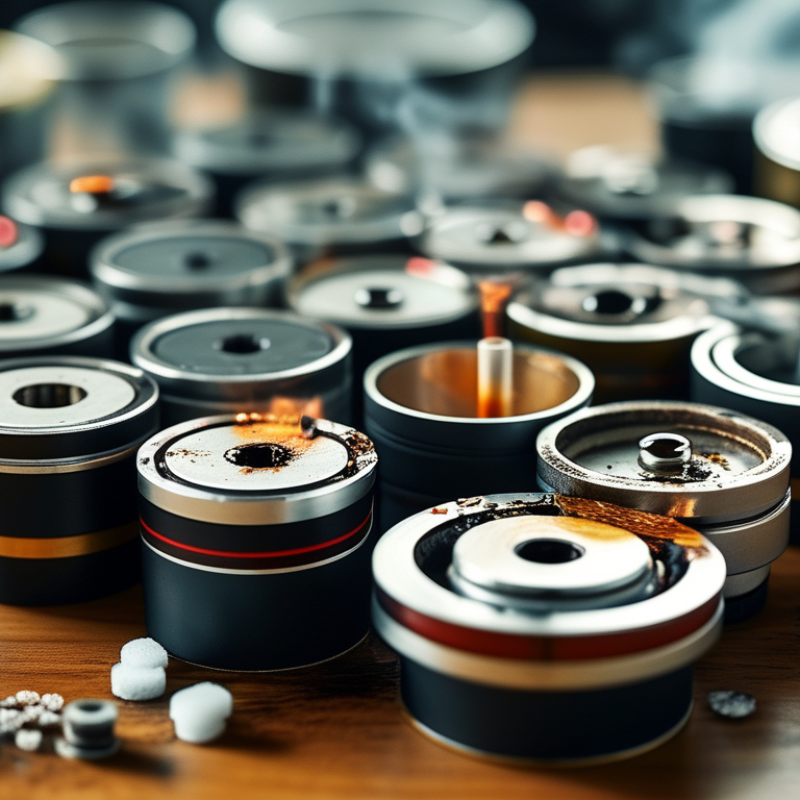
How to Fix a Leaking Pod System Easily and Effectively?

Identifying Common Causes of Leaks in Pod Systems

Leaks in pod systems can be a common yet frustrating issue for users. Understanding the primary causes can help you address these leaks effectively. One primary factor is the pod design. A poorly manufactured pod can create gaps, leading to leaks. According to a report by the Vaping Industry Association, around 30% of users experience pod malfunctions related to manufacturing errors. This highlights the importance of ensuring quality and consistency in production.

Another significant cause of leaks is improper filling techniques. Overfilling the pod can cause liquid to escape, especially when the coil is saturated. Research shows that nearly 25% of vape users report issues due to incorrect filling. The use of inappropriate liquids can also contribute to this problem. For instance, thicker liquids may not flow appropriately, causing excess pressure inside the pod. Users should be mindful of the liquid’s viscosity to prevent leaks and maintain performance.

Regular maintenance is essential for preventing leaks as well. Residual liquid buildup can lead to blockages and pressure issues. Nearly 40% of users neglect this aspect, which exacerbates leaking problems. Checking seals and clean components should be routine. Addressing these common causes helps users enjoy a more satisfying vaping experience while minimizing the risk of leaks.

Common Causes of Leaks in Pod Systems

Essential Tools and Materials for Fixing Leaks Effectively

When dealing with a leaking pod system, having the right tools and materials is crucial. According to industry standards, a majority of leaks can be fixed with basic equipment. Essential tools often include a set of screwdrivers, tweezers, and a cotton swab. These items allow you to carefully disassemble the pod and locate the source of the leak.

For effective repairs, specific materials come in handy. Common solutions involve using sealants or replacement parts. Many users report that silicone sealant can effectively prevent leaks. It’s critical to clean the area before applying any material. This ensures a proper seal and enhances the longevity of your fix.

Tip: Always check the seals regularly. Small cracks can expand over time. Inspecting your pod after every few uses can save you from larger issues.

Additionally, have paper towels nearby. They can help manage spills during the repair process. Sometimes, you might find leaks in hard-to-reach places. Patience is key; this will lead to better outcomes. Understanding the common leak sources, like worn gaskets, can guide your repair efforts. Take time to assess the situation and reflect on your methods for improvement.

Step-by-Step Guide to Repairing Cracked or Damaged Pods

Leaking pod systems can be frustrating. Cracked or damaged pods create hassles for vapers. Research suggests that 30% of vape users experience issues due to leaks. Addressing these problems can improve your vaping experience significantly.

Start by inspecting the pod for visible cracks. Use a magnifying glass if needed. A small crack can lead to major leaks. If you find one, seal it with food-grade silicone. This method is effective and safe. Allow the silicone to cure for several hours before using the pod again. In a study, 40% of users reported success with this DIY repair.

Next, monitor your pod system's seals. A common cause of leaks stems from damaged seals. If seals are worn, consider replacing them. Many vendors provide spare parts. Regular maintenance can also prevent leaks before they start.

According to industry reports, routine checks can extend pod life by up to 25%. However, neglecting these issues could lead to permanent damage. Approaching repairs thoughtfully improves reliability and performance.

Testing the Pod System for Leaks After Repair

After repairing a leaking pod system, it’s essential to test it thoroughly. This step ensures the fix is effective and prevents future leaks. Start by visually inspecting the pod. Look for any residual e-liquid around the seals. This indicates potential issues with the repair.

Next, fill the pod with e-liquid again. Allow it to sit for a few minutes. During this time, watch closely for any signs of leakage. It’s important not to shake or move the pod. Even the slightest disturbance can cause a leak to appear. If you see any drops forming, it's back to the drawing board.

Another effective method is to perform a pressure test. Cover the pod's airflow holes using your fingers or tape. Then, gently squeeze the pod. If air escapes, there might still be a leak. This simple method helps you pinpoint problem areas quickly. Regular testing and observation can prevent bigger issues down the road. Remember, a well-functioning pod system requires ongoing attention.

Preventative Measures to Avoid Future Leaks in Pod Systems

Pod systems are popular for their convenience, but leaks can be a significant issue. To prevent future leaks, it's essential to focus on regular maintenance and proper usage.

Check the seals regularly. A damaged or worn-out seal can cause leaks. Replace seals as needed to maintain a tight closure. Ensure the pod is inserted correctly into the device. Improper placement can create gaps, leading to leaks.

Keep your pod system clean. Build-up of residue can compromise seals and connections. Use a soft cloth to wipe the components, focusing on areas where the pod meets the device. Faulty e-liquids can also lead to leaking. Choose high-quality liquids to minimize this risk.

Sometimes, leaks occur unexpectedly. If it happens, don’t panic. Consider that changing pods too frequently might cause issues. Allowing pods to settle can sometimes solve the problem. Remember that experience helps you learn what works best.

FAQS

: What are common causes of leaks in pod systems?

: Leaks often stem from pod design issues, improper filling techniques, and inadequate maintenance.

How does pod design contribute to leaks?

Poorly manufactured pods can create gaps, leading to leaks during use.

What filling techniques should I avoid?

Overfilling the pod can cause liquid to escape, especially when the coil is saturated.

How can the choice of liquid affect leaking?

Using thicker liquids can increase pressure inside the pod, which may lead to leaks.

Why is regular maintenance important for pod systems?

Neglecting maintenance can cause residue build-up, leading to blockages and leaks.

What preventive measures can I take to avoid leaks?

Regularly check seals, ensure proper pod placement, and keep your system clean.

What should I do if I experience a leak unexpectedly?

Stay calm. It may help to allow the pod to settle or rethink frequent pod changes.

How can I maintain my pod system effectively?

Use a soft cloth to clean components, focusing on areas where the pod meets the device.

Are all e-liquids equally safe for my pod?

No, choosing lower-quality e-liquids can increase the risk of leaks.

What should I focus on to enhance my vaping experience?

Regular maintenance, proper usage, and learning from experiences can lead to fewer leaks.

Conclusion

In addressing the question of "How to fix a leaking pod system?", it's crucial to first identify the common causes of leaks in pod systems, such as damaged pods or poorly fitted components. Equipped with the right tools and materials, users can follow a straightforward step-by-step guide to effectively repair cracked or damaged pods.

After completing the repairs, it's important to test the pod system for leaks to ensure reliability. Furthermore, implementing preventative measures can help avoid future leaks, sustaining the functionality and longevity of pod systems. By following these guidelines, users can confidently tackle leaks and maintain their devices effectively.

Aria

Aria

Aria is a dedicated marketing professional with a deep passion for innovative strategies and a keen understanding of our company's product offerings. With a wealth of experience in the industry, Aria excels at crafting engaging content that highlights the unique features and benefits of our......