Apex Vape
Leaking pod systems can be a common issue for vapers, often leading to frustration and wasted liquid. Research from the vaping industry highlights that nearly 30% of users encounter leaks at some point. Understanding how to fix a leaking pod system is essential for maintaining a full and enjoyable vaping experience.
Many factors contribute to these leaks. Poor seals or damaged components are prevalent causes. Additionally, improper filling techniques can exacerbate the problem, leading to leaks that waste e-liquid. Reports indicate that a significant portion of users report dissatisfaction due to these issues. It's crucial to recognize these common pitfalls and learn effective solutions.
In this guide, we will explore ten essential tips to address leaking pod systems. By equipping yourself with this knowledge, you can minimize leaks, enhance your vaping experience, and save money. Fixing a leaking pod system might seem daunting, but with the right approach, you can overcome these challenges effectively.
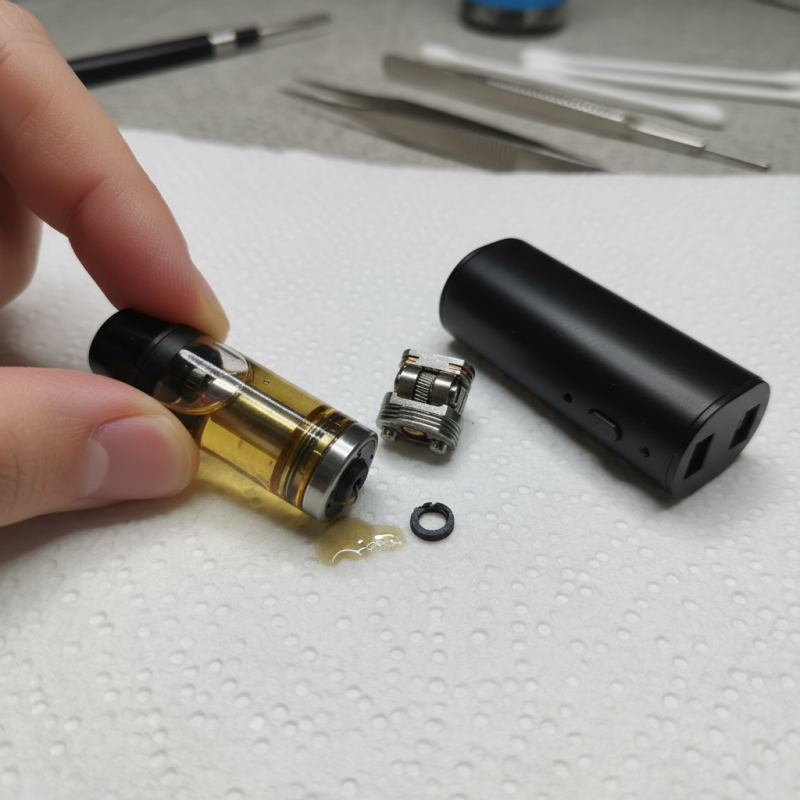
Pod systems are popular for their convenience, but leaks are a common issue. One frequent cause of leaks is a damaged pod. Examine your pod closely for cracks or wear. A small crack can lead to significant leaks. If the pod is compromised, it's time to replace it for a proper seal.
Another common cause is incorrect assembly. Make sure the pod fits snugly into the device. A loose connection can allow e-liquid to escape. Check the rubber seals as well. If they are missing or damaged, replacing them can resolve leak issues. Additionally, overfilling the pod can lead to leaks. Fill it carefully to avoid spillage and pressure buildup.
Understanding temperature changes can also help. Cold conditions may cause condensation, leading to leaks. Store your pod system at stable temperatures. Regular maintenance is key too. Clean the device often to prevent residue buildup that may lead to leaks. Pay attention to these details; they can save you from constant troubleshooting.
Inspecting your pod system for damage is crucial to solving leaks effectively. Begin by checking the connections. Loose fittings can cause significant leaks. Tighten any parts that appear to be unscrewed. A 2021 industry report showed that nearly 30% of leaks result from loose connections.
Next, examine the pod itself. Look for cracks or signs of wear. Even minor damage can lead to leaking. A study noted that 42% of users fail to check for wear and tear. This underlines the importance of regular inspections. Pay attention to the seals as well. They can degrade over time and become a source of leaks.
Don’t forget to inspect the airflow holes. Blockages here can cause pressure build-up, leading to leaks. Regular maintenance is vital. Many users neglect this step, which can exacerbate problems. A reliable pod system requires both attention and care to ensure longevity and performance.
When it comes to maintaining your pod system, one of the most critical aspects is the seal. Worn or broken seals can lead to leaks, affecting performance. Replacing these seals is essential for a properly functioning device. Start by inspecting the seals closely. Look for cracks or signs of wear. If you see any damage, it's time for a replacement.
To effectively change the seals, gather necessary tools first. A small screwdriver and tweezers can be useful for this task. Remove the pod from the device. Carefully pry off the old seal with the screwdriver. Keep an eye on how the seal is positioned for the correct installation of the new one. Make sure to clean the area thoroughly before adding the new seal. This will help create a better bond and prevent future leaks.
Not all seal replacements go smoothly. There can be a learning curve. It might take a couple of tries to get it right. If the new seal doesn’t fit properly, recheck the size. Some users find that different materials work better than others. Experimenting with silicone or rubber may yield better results. Remember that practice makes perfect, and each attempt can teach you something valuable.
When refilling your pod system, it's essential to follow a careful process to avoid leaks. Start by gathering all your materials, including your pod, e-liquid, and paper towel. Ensure that your hands are clean and dry. Avoid overfilling the pod. Leave a little space at the top for the e-liquid to expand. This simple step can prevent spilling and leaking issues.
Check the seals and gaskets of the pod. Sometimes, wear and tear can cause leaks. Inspect these parts regularly for signs of damage. If they look worn, consider replacing them. Don't forget to let the pod sit for a few minutes after refilling. This allows the cotton inside to soak up the e-liquid. It helps prevent dry hits and unexpected leaks.
If you find yourself facing leaks despite your efforts, reflect on your technique. Each pod system may have its quirks. Take time to understand how your specific device works. Experiment with different e-liquids, as their viscosity can impact how well they stay in the pod. By observing these details, you'll improve your refilling skills with practice.
Maintaining your pod system is crucial to prevent leaks. Regularly check all parts, including the pod itself and seals. A simple visual inspection can reveal cracks or wear. Keep an eye on the connection points; these are often the source of leaks. Clean these areas with a soft cloth to ensure a good fit.
Monitoring the e-liquid level can prevent overfilling. Refilling when the level is low helps avoid spills. If you notice any leakage, pause and inspect your device. An accumulation of residue around the coil area indicates a problem. Ensure that the coil is properly installed and not over-tightened.
Temperature plays a role too. Extreme heat can affect the rubber seals and lead to leaking. Always store your pod system in a cool, dry place. Regular maintenance might feel tedious but is essential for prolonging the life of your device. Reflecting on these practices can help you avoid inconvenient leaks in the future.
| Tip Number | Maintenance Tip | Frequency | Description |
|---|---|---|---|
| 1 | Check O-Rings | Weekly | Ensure O-rings are clean and undamaged to prevent leaks. |
| 2 | Check Pod Fit | Every Use | Make sure the pod is securely in place to avoid leaking. |
| 3 | Clean the Contacts | Bi-weekly | Remove residue from contacts to ensure good connection. |
| 4 | Avoid Overfilling | Every Use | Do not exceed the fill line to prevent overflow. |
| 5 | Replace Pods Regularly | As Needed | Change pods when performance begins to decline. |
| 6 | Check for Cracks | Monthly | Inspect the pod for any signs of damage or cracks. |
| 7 | Store Upright | Always | Keep pods stored upright to minimize the risk of leaks. |
| 8 | Avoid Extreme Temperatures | Always | Do not expose your pods to very high or low temperatures. |
| 9 | Check for User errors | Every Use | Ensure you are using the device according to the instructions. |
| 10 | Seek Professional Help | If Needed | Consult a technician if leaks persist despite efforts. |
: Damaged pods and incorrect assembly are common causes of leaks.
Examine your pod for cracks or signs of wear.
A snug fit prevents e-liquid from escaping.
Replace missing or damaged seals to fix leak issues.
Overfilling can cause spills and pressure buildup, leading to leakage.
Cold conditions can cause condensation, resulting in leaks.
Clean your device and check for cracks or residue regularly.
Monitor e-liquid levels and refill only when low.
It signals a potential problem that needs inspection.
Extreme heat can damage seals and lead to leaks.
In "10 Essential Tips to Fix Your Leaking Pod System," the article addresses the common issues that lead to leaks in pod systems and provides practical solutions. It begins by helping readers identify common causes of leaks, which is crucial for understanding the problem. A detailed step-by-step guide is given on how to inspect the pod system for any signs of damage, enabling users to pinpoint the source of the leak effectively.
Additionally, the article outlines effective methods to replace worn or broken seals, which are often the culprits behind leakage. It emphasizes the importance of proper refilling techniques to prevent future leaks and offers tips for regular maintenance to avoid leaking issues altogether. By following these guidelines, readers will learn how to fix a leaking pod system and ensure a better vaping experience.
