Apex Vape
Building your first RDA coil can be both exciting and daunting. Knowing how to build your first RDA coil provides a gateway into the world of vaping customization. According to industry reports, approximately 58% of vapers prefer rebuildable atomizers for their flavor and vapor production. This statistic highlights the popularity of RDAs in the vaping community.
When embarking on this journey, understanding essential tips can enhance your experience. The ability to customize coil resistance directly impacts vapor quality. A recent survey indicated that 73% of experienced vapers believe proper coil building significantly affects their overall satisfaction. Yet, many beginners struggle with common pitfalls.
By drawing from reliable resources and expert advice, you can navigate the complexities of coil building. With persistence and practice, the skills you develop will lead to rewarding results. Remember, every mistake is a learning opportunity. Embrace the process; it’s an integral part of mastering your craft.
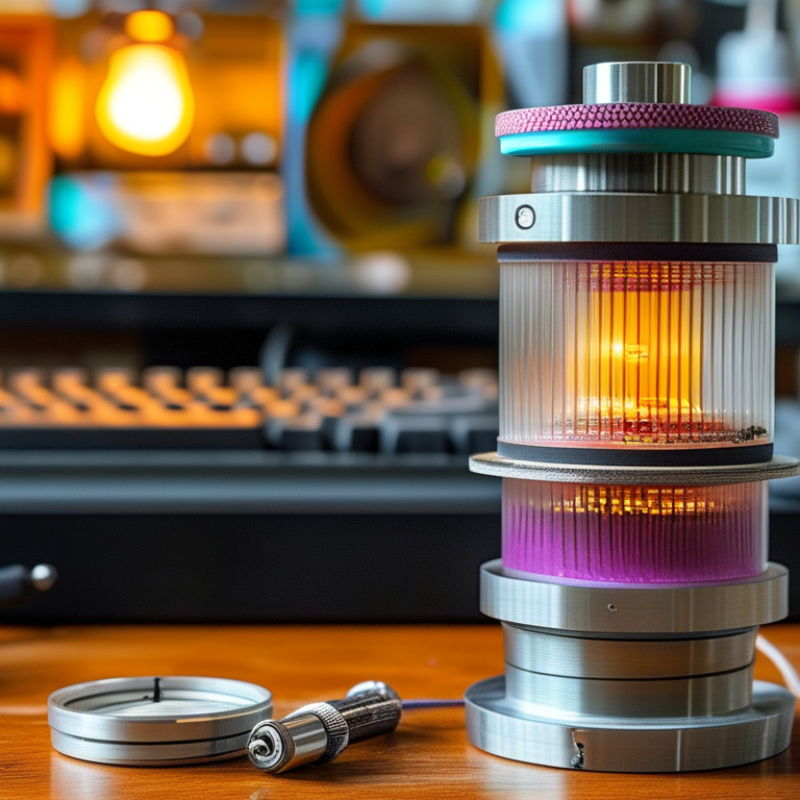
Building your first RDA coil can be an exciting yet challenging journey. Understanding the basics is crucial. RDAs, or Rebuildable Dripping Atomizers, require a different approach than standard devices. You’ll need the right materials like wire, wicks, and tools. A simple single-coil setup is often best for beginners. It offers a balance of ease and functionality without overwhelming complexity.
Coil building involves various techniques. Experimenting with different wire gauges can yield different results. Thicker wire can produce hotter coils, while thinner wire may offer better flavor. It’s essential to properly measure and cut your wire. Incorrect length can lead to issues when wrapping. Don't be afraid to make mistakes. Learning through trial and error is part of the process. You might find your first few attempts unsatisfactory, but each coil helps you refine your skills.
Wicking is another critical area many overlook. A well-wicked coil can significantly enhance flavor and vapor production. Too much wick can cause dry hits, while too little can lead to leaking. Striking the right balance can take time. As you practice, consider documenting what works best for you. Reflecting on your experiences can guide future builds. Building RDAs is as much an art as it is a science. Embrace the learning curve and enjoy the journey.
When selecting the right wire for your RDA coil, understanding materials and resistance is crucial. Stainless steel, Kanthal, and Nickel are popular choices. Each material offers distinct characteristics. For instance, Kanthal is known for its outstanding durability and oxidation resistance. These factors contribute to its wide acceptance.
The wire gauge also affects heating time and flavor. A lower gauge corresponds to thicker wire and lower resistance. Conversely, higher gauge wires heat up faster, offering a different vaping experience. According to a 2022 industry report, users often prefer 24 to 28 gauge wire for their builds. This range balances flavor production and coil longevity.
Finally, remember to reflect on your coil's performance. A poorly executed coil can lead to subpar results. Testing and adjusting your wire choice can enhance your experience. Pairing the right wire with the appropriate build is vital for optimal results. Pay attention to your preferences and adjust accordingly for improved satisfaction.
When building your first RDA coil, understanding the optimal coil resistance is crucial. The coil resistance directly impacts the flavor and vapor production of your setup. A lower resistance coil, typically between 0.1 to 0.5 ohms, can generate more heat and produce denser vapor. However, it also demands more battery power and may lead to quicker battery depletion. According to the Journal of Vaping Science, devices calibrated to support lower resistances can enhance the overall vaping experience.
Conversely, higher resistance coils ranging from 1.0 to 2.5 ohms can lead to a cooler vape. These coils are generally more forgiving on battery life. Still, they might not deliver as robust a flavor. Research indicates that vaping devices with higher resistance coils often provide a cleaner taste and can reduce the likelihood of burnt hits. It’s essential to find a balance that aligns with your preferences while keeping safety in mind.
Experimenting with different resistances is part of the learning curve. Many users constantly reassess their coil builds to refine their experience. Optimizing coil resistance involves not just technical knowledge but also personal taste. Collecting feedback from fellow vapers can guide you in the right direction yet might not guarantee the ideal results for everyone. Careful documentation of your experiences helps improve your coil-building skills over time.
Winding coils for your first RDA can be daunting, but understanding proper techniques makes it rewarding. Precision is key. A well-wound coil can significantly enhance vapor production and flavor. According to data from industry reports, coil wraps with consistent tension lead to better performance. Each wrap should be tight enough to prevent hot spots but not so tight that the wire loses its shape.
Many newcomers struggle with coil dimensions. A popular recommendation is to use a wire gauge between 24 and 28 AWG. These sizes balance resistance and surface area effectively. Too thin a wire may result in a fragile coil. Conversely, a thick wire might not heat evenly. You'll find that a typical dual-coil setup can range from 0.1 to 1.0 ohms depending upon your build. Using a coil jig can help achieve uniform wraps, ensuring the coils sit well within the deck.
Still, it's essential to reflect on your technique. Not every coil will turn out perfect. Even experienced builders face challenges like uneven wraps or poor connections. These instances provide valuable learning experiences. Continuous experimentation will enhance your skills. Keeping a journal of your builds can help identify successful patterns and mistakes over time. Remember, practice leads to mastery in winding techniques.
The chart above illustrates key factors to consider when building your first RDA coil, including wire gauge, number of wraps, coil resistance, wattage, flavor intensity, vapor production, and heat time. Each factor significantly impacts the overall vaping experience.
When building your first RDA coil, focus on installing and wick placement. Proper wicking is vital for maximizing flavor and vapor production. A well-placed wick ensures that your coil is adequately saturated with e-liquid. This not only enhances flavor but also prevents dry hits. Using too little wick can lead to a poor performance. Too much wick might cause flooding. Striking a balance is crucial.
Consider the length of your wick. Aim for a length that lightly touches the bottom of the juice well. This positioning allows for optimal capillary action, drawing e-liquid into the coil evenly. Make sure to tuck the wick snugly without packing it too tightly. An ideal wick placement allows airflow while minimizing excess resistance, which can hinder vapor production.
Always be ready to make adjustments. Each setup is unique. Don’t hesitate to experiment with different wicking styles. It’s a learning process. Take notes on what works and what doesn’t. Over time, you’ll find the perfect balance that suits your preferences. Remember, mastering wick placement is key to enhancing your vaping experience.
| Tip Number | Tip Description | Key Points |
|---|---|---|
| 1 | Choose the Right Wire Gauge | Lower gauge for thicker wire, higher gauge for thinner wire. |
| 2 | Understand Coil Resistance | Use Ohm's Law to calculate safe resistance levels. |
| 3 | Wrap Coils Evenly | Ensure uniform wraps for consistent heating. |
| 4 | Position Coils Correctly | Place coils centered over airflow holes. |
| 5 | Optimize Wick Placement | Wicks should not be too tight or too loose. |
| 6 | Use Quality Wick Materials | Cotton, rayon, or silica can affect flavor. |
| 7 | Dry Burn Coils Before Use | Eliminates hotspots and improves performance. |
| 8 | Experiment with Coil Configurations | Try single, dual, or even complex coils. |
| 9 | Keep Equipment Clean | Regular cleaning enhances taste and performance. |
| 10 | Stay Informed and Updated | Follow vaping communities for new tips. |
coil?
Thicker wire produces hotter coils, while thinner wire generally offers better flavor. Experimenting is key.
Proper wicking enhances flavor and vapor production. Too much wick can cause dry hits; too little can leak.
Lower resistance coils (0.1 to 0.5 ohms) generate more heat. Higher resistance coils (1.0 to 2.5 ohms) are cooler and easier on battery life.
Incorrect lengths can lead to difficulties in wrapping. Measuring accurately is crucial for a successful coil.
Well-wound coils improve vapor production and flavor. Tight wraps prevent hot spots; loose wraps may lose shape.
Yes, mistakes are part of the learning process. Each attempt helps refine skills and improve future builds.
It's about personal taste and safety. Collecting feedback and documenting your experiences can help navigate this.
Wire gauges between 24 and 28 AWG are popular. They balance resistance and surface area effectively.
Continuous experimentation is key. Keeping a journal of builds can help identify successful techniques and areas for improvement.
Building your first RDA coil can be an exciting journey into the world of vaping, and understanding the basics is crucial. Start by familiarizing yourself with the components of RDAs, including posts and terminals, which will help you grasp the coil building process. Selecting the right wire type is essential, as different materials can affect both the resistance and flavor of your vape. Knowing how to determine the optimal coil resistance for your setup will enhance your vaping experience by ensuring safety and performance.
When figuring out how to build your first RDA coil, mastering winding techniques is key. Properly wrapping your coil ensures consistency and maximizes efficiency. Finally, correct installation and wick placement are vital for achieving the best flavor and vapor production. Following these fundamental tips will set you on the right path toward becoming proficient in RDA coil building.
