Apex Vape
Dry herb vaporizer odor can linger, even when the visible vapor disappears quickly. It may settle on curtains, cushions, clothing, and nearby walls. The scent often resembles toasted herbs, but its intensity depends on temperature, airflow, device cleanliness, and the material used.
This guide explains practical ways to reduce that odor safely and responsibly. It focuses on legal, personal use and does not encourage hiding activity from landlords, authorities, or other people. The question many readers ask is, “How to hide the smell of a dry herb vaporizer?” A better approach is reducing the source instead of masking it with stronger fragrances.
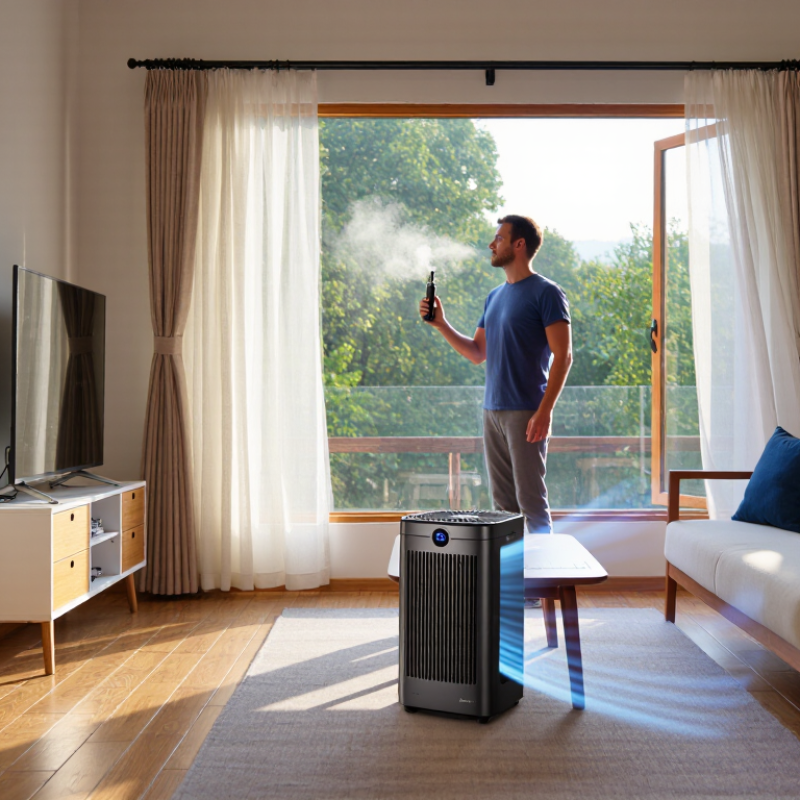
Start with ventilation. Use a window, exhaust fan, or portable air purifier with activated carbon. A small carbon filter can help capture odor compounds before they spread. Keep the vaporizer away from fabrics and enclosed spaces. Clean the mouthpiece, chamber, and screens according to the manufacturer’s instructions. Residue inside the device often creates a stale smell between sessions.
A window helps.
Odor-neutralizing sprays may offer short-term relief, but they rarely solve the underlying problem. Heavy perfumes can create a mixed, suspicious scent and may irritate sensitive lungs. Wash exposed clothing and wipe nearby surfaces with a suitable cleaner. Store fully cooled, legal dry herbs in an airtight container. Never seal a warm device or block ventilation openings.
No method is perfect. I have found that regular cleaning works better than last-minute masking. Still, results vary with room size, humidity, and fabric type. Prioritize fresh air, fire safety, and consideration for people nearby. Reliable odor control is a routine, not a trick.
Top Ways to Reduce Dry Herb Vaporizer Odor?
Odor from a dry herb vaporizer rarely comes from one place. Heated plant material is usually the strongest source. As moisture drops, aromatic compounds become more noticeable in warm air. Old particles inside the chamber can also smell sharp. A nearly empty chamber may still release odor when reheated. I once blamed the mouthpiece first. That assumption was incomplete.
The vapor path can hold fine residue, especially around screens, seals, and narrow bends. A warm mouthpiece may release trapped scent several minutes after use. Exhaled vapor is another source, even when the device looks clean. Odor can cling to curtains, sleeves, bedding, and soft furniture. Poor storage adds another layer. A loose container lets aroma escape between uses. Heat matters too. A device left in a sunny bag may smell stronger than expected. Check each area separately. This simple test helps locate the real source.
For a reliable inspection, let the device cool completely before opening it. Follow the cleaning instructions supplied for its materials and construction. Do not soak electronic parts or block airflow with improvised objects. A cotton swab can reveal residue, but it may also leave fibers behind. That detail is easy to miss. Keep clean, dry plant material in an airtight, clearly labeled container. Ventilate the room after use, and avoid masking odor with heavy fragrances. Fragrance can hide the problem, not remove it. Record when odor appears: during heating, after exhalation, or during storage. That timing often identifies the source faster than guesswork.
Top Ways to Reduce Dry Herb Vaporizer Odor
Choose low-odor herbs that are legal and clearly suitable for your device. Mild herbal materials usually smell less intense than resinous or strongly aromatic varieties. Check the manufacturer’s instructions before loading anything. Some herbs can irritate the throat or damage the heating chamber. Odor often becomes stronger when material scorches, so temperature control matters. A lower, steady setting can produce lighter vapor and less burnt smell. Do not chase maximum vapor. It may create harsher air and stubborn residue.
Tips: Start with the lowest recommended temperature. Increase it slowly when needed. Use a small, even load. Avoid packing the chamber tightly, because restricted airflow can cause overheating. Keep a window slightly open, and place the device near moving air. A simple fan can disperse lingering vapor. The smell may still remain. That is normal.
Clean the chamber after it cools. A soft brush removes crumbs, while a suitable cleaning tool helps clear residue from the air path. Dirty screens often create a stale odor during the next session. Store dried herbs in an airtight container away from heat and sunlight. I have found that freshness affects both smell and taste, although results vary between devices. If the vapor tastes burnt, stop using the device and inspect the chamber. The temperature setting may not be the only problem.
Odor from a dry herb vaporizer can linger around curtains, cushions, and clothing. In my experience, ventilation makes the biggest difference. Open a window before use, then place a fan near it to push stale air outside. A second opening across the room creates a steady cross-breeze. Keep the airflow moving.
A bathroom exhaust fan may help, but it should vent outdoors. Do not rely on a closed room or a small desk fan alone. I once underestimated fabric surfaces; the smell stayed in a nearby blanket for hours. Washable covers and hard surfaces are easier to manage. Avoid directing vapor toward upholstery.
Odor-absorbing materials can reduce lingering smells further. Activated carbon pouches work well near the vaporizer and beside the room’s exit path. An open bowl of baking soda may help with mild odors, although its effect is limited. Replace absorbers regularly, especially when they feel saturated. They mask less than scented sprays, which can create a stronger mixed smell.
Clean the mouthpiece and heating chamber only after the device cools completely. Residue often causes more odor than fresh vapor. Use the manufacturer’s cleaning guidance and suitable tools. Keep legal, permitted dry botanicals sealed in an airtight container. A small carbon-lined storage box can help. My routine is effective, but not perfect; room size, airflow, and fabric density still matter.
A clean dry herb vaporizer releases less stale odor from residue. Unplug it and let every part cool before maintenance. Empty the chamber over a lined surface, then brush away loose particles. Use a small amount of isopropyl alcohol on removable glass or metal parts. Let them dry completely before reassembly. Never soak electronic components.
Focus on hidden surfaces. Sticky residue often collects around the chamber rim, air path, mouthpiece, and seals. Replace cracked mouthpiece seals and clogged screens instead of repeatedly scrubbing them. If the device uses a replaceable carbon or odor-trapping filter, follow its service interval closely. Filters lose effectiveness as surfaces become saturated. The U.S. Environmental Protection Agency reports that indoor pollutant concentrations can be two to five times higher than outdoor levels, making ventilation and clean equipment important.
Odor can linger.
The American Society of Heating, Refrigerating and Air-Conditioning Engineers recommends regular inspection and maintenance within indoor air-quality programs. That principle also fits small vaporizers. Inspect monthly, especially after frequent use. A faint smell may come from the storage case, not the device itself. Wash the case with mild soap and dry it fully. In practice, cleaning the chamber alone is often not enough. I would also question any schedule that ignores worn seals or filter saturation. Over-cleaning can damage delicate screens, so gentler, repeated maintenance is usually safer than aggressive scrubbing.
| Odor Source or Part | Recommended Action | Suggested Frequency | Why It Helps | Expected Odor Impact | Important Safety Note |
|---|---|---|---|---|---|
| Heating Chamber | Empty loose material after the device has cooled, then brush out residue with a dry, soft cleaning brush. | After each session | Residual herb particles can continue releasing aroma and may produce a stale smell when reheated. | High | Never clean or brush the chamber while it is hot or powered on. |
| Airpath and Screen | Remove accessible screens and clean away built-up residue according to the device’s care instructions. | Every 3–10 sessions | Condensed vapor compounds and fine particles can accumulate in the airpath and intensify odor. | High | Do not immerse electronic components or allow liquid to enter the heater or controls. |
| Mouthpiece | Detach the mouthpiece, remove visible residue, and wash it only if its material and instructions permit water cleaning. | After each session or as needed | The mouthpiece is exposed directly to vapor condensate, which can retain noticeable aroma. | High | Dry completely before reattaching it or using the vaporizer. |
| Removable Glass or Metal Parts | Wipe or soak compatible removable parts with an appropriate cleaning solution, then rinse and dry thoroughly. | Weekly or when residue is visible | Removing sticky deposits prevents old vapor compounds from continuing to release odor. | Medium–High | Use isopropyl alcohol only on compatible removable parts and keep it away from flames; follow the manufacturer’s material guidance. |
| Replaceable Air or Odor Filter | Inspect the filter for discoloration, restricted airflow, or persistent odor and replace it when saturated or worn. | When saturated or according to the care guide | Used filters can hold odor compounds and may release them back into the surrounding air. | High | Do not wash disposable filters unless they are specifically designed to be washable. |
| Activated-Carbon Odor Trap | Use a properly sized activated-carbon pouch, container, or air-cleaning filter near the storage area. | Replace when saturated or when odor returns | Activated carbon adsorbs many odor molecules and can reduce lingering smells in enclosed spaces. | Medium–High | Carbon products work best with airflow and require replacement after their adsorption capacity is used. |
| Storage Container | Store dry herb and the cooled, clean vaporizer in separate airtight containers with clean seals. | Every time the device is stored | Airtight storage limits the escape of volatile aroma compounds between uses. | High | Only store the vaporizer after it has cooled fully and is free of loose material. |
| Used Herb Residue | Dispose of spent material promptly in a sealed waste container rather than leaving it in the chamber or an open bin. | After each session | Spent herb can retain aromatic compounds and continue to smell even after vapor production stops. | High | Ensure the material is fully cool before placing it in a sealed container. |
| Ventilation | Use the vaporizer in a well-ventilated area and direct exhaled vapor away from fabrics and enclosed storage spaces. | During every session | Air exchange disperses vapor and reduces the amount absorbed by curtains, upholstery, and clothing. | Medium | Ventilation reduces odor but does not eliminate exposure to vapor constituents. |
| Fabric and Nearby Surfaces | Wash or air out fabrics that repeatedly absorb vapor, and wipe nearby hard surfaces during regular cleaning. | Weekly or when odor lingers | Porous materials can retain aromatic compounds longer than smooth, nonporous surfaces. | Medium | Avoid spraying cleaning products directly onto the vaporizer or its electrical parts. |
Airtight storage is one of the simplest ways to limit dry herb vaporizer odor. The US Environmental Protection Agency reports that indoor pollutant levels can be two to five times higher than outdoor levels. Odors can also linger longer indoors, especially in small rooms with limited airflow. Store the herbs in a clean glass jar with a silicone gasket or a certified odor-resistant multilayer pouch. The container should close firmly, not merely snap shut. Keep it away from sunlight, heat, and damp bathroom air.
Store the vaporizer separately. Residual aroma can remain around the mouthpiece, oven chamber, and loading tool after use. A small airtight case with an activated-carbon layer may help, but carbon does not capture every odor compound. ASHRAE guidance places source control before ventilation, which supports sealing materials before opening windows or using fans. Wipe removable parts with a suitable dry cloth, then let them cool completely before storage. Moisture inside a sealed case creates another problem.
I still notice odor when a lid is closed too quickly. The method is not perfect. Open the container briefly, remove only the needed amount, and reseal it immediately. Labeling containers can prevent repeated opening and unnecessary air exchange. Do not mix fresh herbs with used accessories; their smells can transfer. EPA indoor-air guidance supports reducing emissions at the source, yet personal testing remains useful because room size, temperature, and container quality vary.
Odor-resistant, airtight storage works best when the container material provides a strong barrier and the seal limits air exchange. The chart uses a practical ordinal rating from 1 (low) to 3 (high).
Use glass or stainless steel for the strongest odor barrier, keep herbs and equipment separated when possible, and close the container immediately after use. Silicone components may allow more vapor diffusion than rigid, non-porous materials.
Heated plant material usually creates the strongest smell. Drier material releases aromatic compounds more noticeably in warm air. Odor may remain after the chamber looks empty.
Yes. Fine residue can collect around the chamber rim, screens, seals, and narrow vapor paths. These areas may smell stronger when warmed again.
A warm mouthpiece can release trapped scent several minutes after use. The real source may be deeper inside the vapor path. I once blamed the mouthpiece first, but that was incomplete.
Let the device cool completely before inspecting it. Notice when the smell appears: during heating, after exhalation, or during storage. That timing often reveals the source faster.
Unplug it and wait until every part is cool. Empty the chamber over a lined surface, then brush away loose particles. Clean removable glass or metal parts with a small amount of isopropyl alcohol. Let everything dry fully.
Replace cracked mouthpiece seals and clogged screens when cleaning no longer works. Odor-trapping filters also lose effectiveness when saturated. Repeated scrubbing is not always better.
Inspect it about once a month, especially with frequent use. Check hidden surfaces, seals, screens, and the storage case. A faint smell may come from the case, not the device.
Ventilate the room after use. Odor can cling to curtains, sleeves, bedding, and soft furniture. Avoid heavy fragrances because they hide the smell rather than remove it.
Keep clean, dry plant material in an airtight, clearly labeled container. Loose storage allows aroma to escape between uses. A sunny bag can also make the smell stronger.
Do not soak electronic components or block airflow with improvised objects. Cotton swabs can leave fibers behind. I would also question overly aggressive cleaning, because delicate screens can be damaged.
Reducing dry herb vaporizer odor starts with identifying where it comes from: the vapor itself, heated herb remnants, the mouthpiece, and residue inside the device. Choosing mild-smelling, legal herbal blends and using a moderate temperature can help limit strong aromas while preserving a comfortable experience. If you are wondering, “How to hide the smell of a dry herb vaporizer?”, focus on practical odor control rather than masking it with heavy fragrances.
Good ventilation is essential, so use the vaporizer near an open window or in a well-aired room. Odor-absorbing materials, such as activated carbon products, may further reduce lingering smells. Regularly clean the chamber, screen, mouthpiece, and other removable parts, replacing components that retain odor. Finally, store both dried herbs and equipment in airtight, odor-resistant containers, and empty used material promptly. These simple habits can make the surrounding space fresher while supporting responsible use of lawful herbal products.
