 Apex Vape
Nicotine pouch spit can contain nicotine released from the pouch, so swallowing it may cause unpleasant effects. What happens if you swallow nicotine pouch spit? The answer depends on how much was swallowed, the product’s strength, and a person’s age and health. Nausea, stomach discomfort, dizziness, headache, sweating, or a faster heartbeat can occur. Some people may notice no symptoms after a small accidental swallow, but that does not make the spit harmless.
Stay calm. Remove any pouch still in the mouth and rinse the mouth with water. Do not make yourself vomit. If a child swallowed nicotine-containing spit, or if anyone develops significant symptoms, contact a poison center or medical professional promptly. Severe symptoms, such as trouble breathing, fainting, confusion, or repeated vomiting, need urgent medical attention. Keep the product packaging nearby; its nicotine information may help professionals assess the situation.
This guide covers five practical tips for responding, recognizing warning signs, and reducing further exposure. It also explains what details to share when seeking help, including the approximate amount and time swallowed. Avoid guessing or waiting for symptoms to become severe, especially when a child is involved. A small spill can be hard to measure. And reactions vary. This is general information, not a diagnosis; when you are unsure, get advice from a qualified professional or your local poison center.
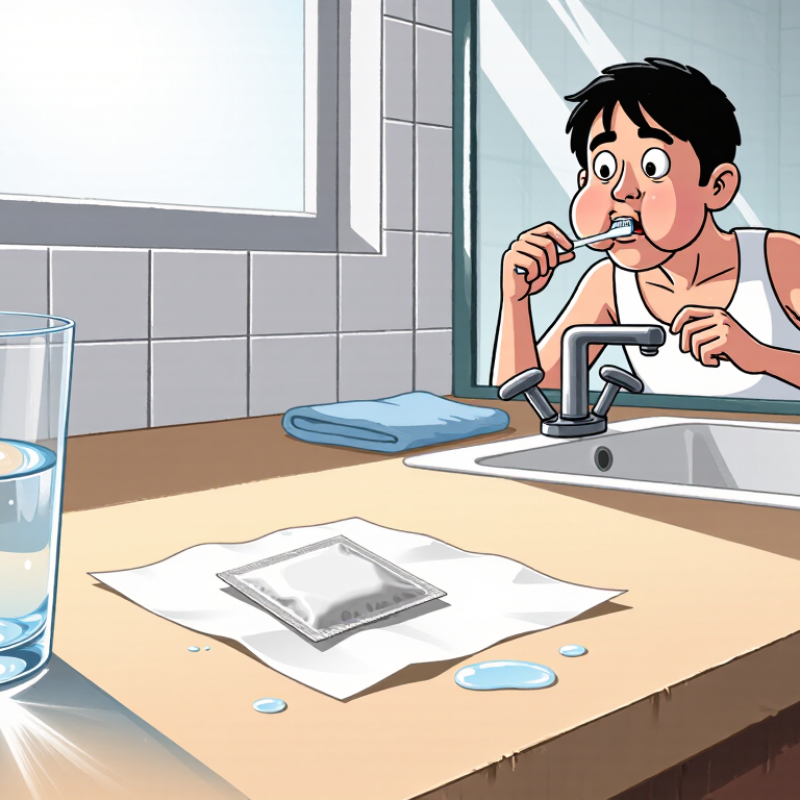
Nicotine pouch spit contains saliva mixed with nicotine released from the pouch. Swallowing a little may cause nausea, stomach discomfort, dizziness, headache, sweating, or a faster heartbeat. Effects vary with the amount swallowed, a person’s age, and their health. It can be hard to judge the dose by looking. That uncertainty matters.
Remove any pouch still in the mouth, rinse the mouth, and spit out the water. Do not make yourself vomit. If more than a small amount was swallowed, or you are unsure how much, contact your local poison center or a medical professional promptly. Keep the pouch container nearby; its nicotine strength and the time of exposure can help guide advice. Children may be at greater risk from small amounts, so seek urgent guidance if a child swallowed any pouch contents.
Watch for worsening symptoms. Severe vomiting, marked weakness, confusion, trouble breathing, fainting, or seizures need emergency care. Don’t wait for every symptom to appear. If symptoms are mild, still get professional advice when they persist or worsen. A common mistake is assuming that spit is harmless because it looks like ordinary saliva. Nicotine content and individual reactions differ, so online estimates cannot confirm that someone is safe.
| Tip | What to Do | Why It Matters | Watch For |
|---|---|---|---|
| 1 | Remove the pouch if it is still in your mouth. Spit out any remaining pouch liquid, then rinse your mouth with water and spit the rinse out. | This stops further exposure from the pouch. Nicotine content in swallowed saliva can vary, so the amount absorbed cannot be reliably judged by its volume. | Note whether a pouch was swallowed, how many may be involved, and when it happened. |
| 2 | Do not make yourself vomit. If you swallowed the pouch itself, do not try to retrieve it; contact a poison center or medical professional for advice. | Inducing vomiting can cause additional harm. Swallowing a pouch may involve more nicotine than swallowing saliva alone. | Seek prompt advice especially if the person is a child, the amount is uncertain, or symptoms have started. |
| 3 | Contact your local poison center for personalized guidance. Be ready to share the person’s age and approximate weight, what was swallowed, how much, and when. | Risk depends on factors such as the amount of nicotine, the person’s age and health, and whether a pouch was swallowed. A poison specialist can assess the situation. | Do not wait for symptoms before calling if a child swallowed nicotine or the exposure may be more than a small amount. |
| 4 | Monitor for symptoms and follow the poison center’s instructions. Avoid further nicotine exposure while you are getting advice. | Nicotine exposure can cause symptoms, and their severity varies. Common warning signs include nausea, vomiting, stomach pain, dizziness, headache, sweating, shakiness, or a fast heartbeat. | Tell a medical professional if symptoms appear, worsen, or persist. |
| 5 | Call your local emergency number immediately for severe symptoms. Do not leave the person alone while waiting for help. | Severe nicotine poisoning requires urgent medical assessment. | Emergency signs include trouble breathing, a seizure, collapse, inability to wake, or severe confusion. |
Important: Swallowing pouch spit is not the same as swallowing the pouch, and the risk cannot be determined from saliva volume alone. This table is general information, not a diagnosis or substitute for advice from a poison center or healthcare professional.
Remove any pouch still in your mouth. Rinse gently with clean water, then spit it out. Do not swallow the rinse or use another pouch.
No. Do not induce vomiting or try home remedies. They may create additional risks.
Contact a poison control center or local medical service promptly. In the United States, call 1-800-222-1222. Elsewhere, contact your local poison centre.
Nausea, vomiting, dizziness, sweating, shakiness, or a racing heartbeat can be warning signs. Symptoms may change over time. Don’t guess from how the person feels at first.
Call your local emergency number for trouble breathing, severe confusion, fainting, seizures, or repeated vomiting. Do not wait for these symptoms to pass.
Share the person’s age, approximate amount swallowed, and when it happened. Keep the pouch container nearby if available. Small details matter.
Contact a poison control center or medical service promptly, even if the child seems well. Don’t wait for symptoms.
No. Give nothing by mouth if the person is unconscious, having a seizure, or struggling to swallow. Stay with them while seeking help. It can be hard to estimate the amount, so share any uncertainty.
What happens if you swallow nicotine pouch spit? It may cause nicotine exposure, with effects that vary depending on how much was swallowed and the person’s sensitivity. Possible symptoms include nausea, stomach discomfort, dizziness, headache, sweating, or a racing heartbeat. Children may be at greater risk, so take any suspected exposure seriously and watch for changes.
Remove the pouch, stop using it, and rinse your mouth with water. Do not try to make yourself vomit. Contact your local poison control center for advice tailored to the situation, and share what was swallowed and when. Seek emergency care right away for severe or worsening symptoms, such as trouble breathing, fainting, confusion, or seizures.
