Apex Vape Apex Vape

Top 10 Best Temperatures for Dry Herb Vaporizers?

Time:2026-09-26 Author:Mason
0%

What is the best temperature for vaping dry herbs? The answer is not a single number. Device design, herb moisture, and personal sensitivity can all change the experience. A temperature display may look precise, but different vaporizers can heat unevenly. That matters.

A 2007 pilot study in Clinical Pharmacology & Therapeutics, co-authored by researcher Donald Abrams, compared vaporizing with smoking in 18 participants. The researchers reported similar blood THC levels and lower carbon monoxide after vaporization. Their paper stated, “Vaporization of cannabis is a safe and effective mode of delivery of THC.” That finding came from a small, short-term study. It does not establish long-term safety or prove one setting works for everyone. The National Academies’ 2017 report likewise highlights gaps in the evidence on cannabis-related health effects.

This guide examines ten commonly discussed temperature settings and the trade-offs readers should consider, rather than presenting a universal prescription. Lower settings may produce lighter vapor; higher settings can bring sharper, hotter draws. But device readings are not laboratory measurements. Start cautiously, follow the manufacturer’s instructions, and stop if vapor irritates your throat or lungs. A useful guide should make uncertainty visible, too. Temperature is only one part of the picture.
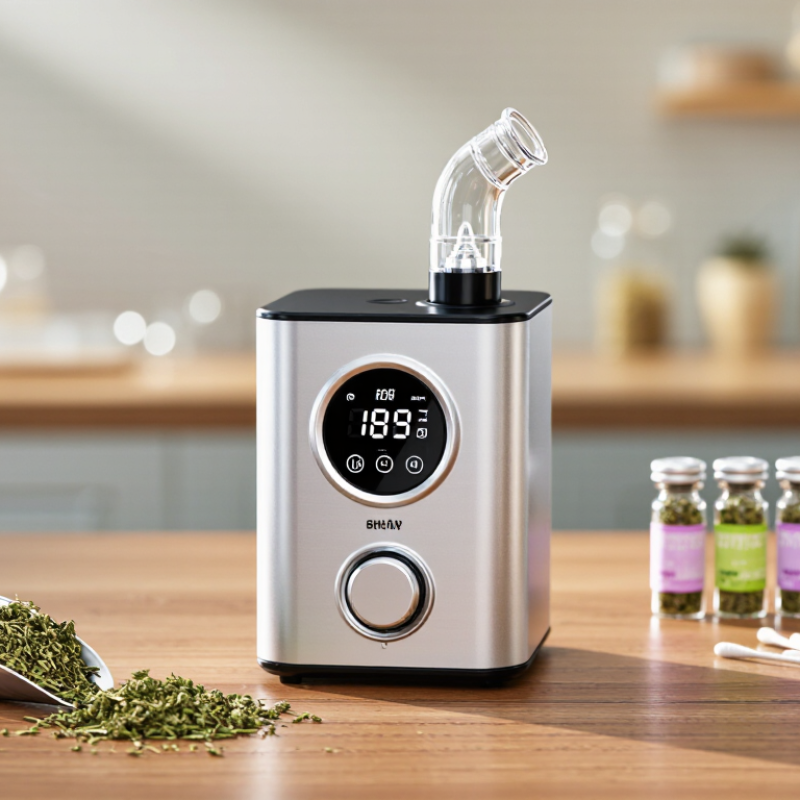
Top 10 Best Temperatures for Dry Herb Vaporizers?

How Temperature Affects Dry Herb Vaporization

Temperature changes what a dry herb vaporizer releases, how quickly it releases it, and how the vapor feels. At roughly 160–175°C (320–347°F), vapor is often lighter, and delicate aromas may stand out. The trade-off is modest vapor and a slower session. Around 175–190°C (347–374°F), many materials produce a fuller draw without feeling as hot. Small changes matter. Near 190–210°C (374–410°F), vapor can become denser and more pronounced, but may feel dry or sharp. Actual output varies with device calibration, grind, airflow, and moisture.

A coarse, evenly prepared load usually heats more consistently than a tightly packed chamber. Try adjusting by 5°C at a time, then pause for a few draws before changing again. Watch for a toasted smell, harshness, or visible browning; these can signal excessive heat or uneven heating. Temperature displays are not laboratory measurements. Two devices set to the same number can behave differently, and plant material differs from batch to batch. That uncertainty is easy to overlook. Keep sessions within the device maker’s stated range, and avoid pushing heat just to chase thicker clouds. A notebook with the setting, aroma, and draw comfort can reveal patterns, though it will not make results perfectly repeatable.

Top 10 Temperature Settings for Dry Herb Vaporizers

How temperature affects vaporization: Lower settings are commonly chosen for lighter, less dense vapor, while higher settings generally produce denser vapor and may taste harsher. These are illustrative settings, not universally optimal temperatures; results vary by device, herb, and personal sensitivity. Avoid overheating, and follow your device’s instructions.

Key Factors That Influence the Best Temperature

The best temperature depends on more than the number on a screen. Different plant materials release aroma and vapor at different rates, and moisture matters. A slightly damp grind may heat unevenly, while very dry material can taste harsh sooner. Use an even, loose grind, and avoid packing the chamber tightly. Air needs room to move.

Device design also changes the result. Conduction models heat material through contact, while convection models move warm air through it. Screens may not show the exact temperature at the herb, either. Start at a lower setting, then raise it in small steps. A slow draw and a brief pause between draws can help keep heating steady. Small changes matter.

Your preference is another factor. Lower settings may preserve delicate aromas; higher settings often produce denser vapor, but can bring a toasted taste. Stop if the flavor turns burnt or irritating. I still find temperature advice easy to overthink: two similar sessions can feel different when the grind or draw changes. Keep brief notes on settings, material dryness, and taste. Follow the device instructions, and treat displayed temperatures as useful estimates, not perfect measurements.

A Guide to 10 Common Dry Herb Vaporizer Temperatures

Dry herb vaporizer temperatures are better treated as reference points than universal “best” settings. Material, moisture, grind size, and device calibration all affect results. For legal, device-approved dried botanicals, 160°C offers a gentler starting point; 165°C may produce a little more aroma. At 170°C, the vapor can feel fuller, while 175°C is a common middle setting. Small changes matter. Take slow draws and pause if the vapor feels harsh.

At 180°C, extraction may feel more pronounced; 185°C can bring a warmer, denser draw. At 190°C, flavor may fade faster, and 195°C can feel noticeably hotter. The 200°C setting is near the upper end for many devices, while 205°C may approach a limit. Check the manual before using high settings. Stop if material scorches, tastes burnt, or irritates your throat. These numbers are not medical guidance, and a display may not match the chamber’s true temperature. I’d revise any setting that feels unpleasant rather than chasing a chart. Never heat unknown plants or exceed the device’s stated range.

How to Match Temperature Settings to Your Preferences

Temperature is a preference dial, not a universal recipe. For legal, device-approved dried botanicals, a lower setting can preserve lighter aromas; a higher one often produces denser, warmer-tasting vapor. Try 160–170°C (320–338°F) for a gentler draw, then increase by 5°C steps if the flavor feels faint. Small changes matter. Keep notes.

Chemistry offers a useful reference, but not a guaranteed setting. The NIST Chemistry WebBook lists normal boiling points near 176°C for 1,8-cineole and 199°C for linalool, aromatic compounds found in some plants. Those figures do not mean a whole herb releases each compound at that exact temperature; moisture, grind, airflow, and the plant matrix all affect release. That uncertainty is real. If the vapor tastes toasted or turns harsh, lower the setting and check the device instructions. A dry, finely ground bowl may heat faster than a loose, slightly damp one. I would not chase a single “perfect” number: a narrow temperature range and a few careful trials are more useful than copying someone else’s setting.

Safe Temperature Control and Proper Vaporizer Use

Temperature settings affect flavor, vapor density, and how quickly dry botanical material heats. For many devices, a cautious starting point is around 160–180°C (320–356°F), provided the manual allows it. Treat this as a guide, not a guarantee: sensors and heating chambers vary. Start low. Increase the setting in small steps, such as 5–10°C, and pause to check the result.

Use only materials the device is designed to heat, and follow its cleaning and loading instructions. A loosely filled chamber allows airflow; packing it tightly can cause uneven heating. Keep the vaporizer on a stable, nonflammable surface, away from children and pets. Check the chamber before each use. It should be clean and dry, with no residue blocking its air path.

Avoid jumping straight to the maximum temperature. If the vapor smells scorched, tastes unusually harsh, or the device becomes hotter than expected, stop and let it cool. Unplug it before cleaning, and never rinse electrical parts. A display can look precise, but its reading may not match the material’s actual temperature. That part is easy to forget. When unsure, consult the manual or contact the manufacturer rather than guessing.

FAQS

What does temperature change during dry herb vaporization?

It can affect vapor density, aroma, warmth, and how quickly a session develops. Small changes matter.

What temperature range gives a gentler draw?

For legal, device-approved dried botanicals, 160–170°C may produce lighter vapor and preserve delicate aromas. The draw may feel modest.

What is a practical middle temperature?

Around 175–190°C often gives a fuller, warmer draw. Results still vary with the device and material.

Why might two devices behave differently at the same setting?

Displays are not laboratory measurements. Calibration, airflow, grind, and moisture can all change the chamber’s actual performance.

How should I adjust the temperature?

Try changing it by 5°C, then pause for a few draws. Keep notes on the setting, aroma, and comfort.

What can a toasted smell or harsh vapor indicate?

It may signal excessive heat or uneven heating. Lower the setting, check the device instructions, and stop if material scorches.

Does a higher temperature always create a better session?

No. Higher settings may make vapor denser, but it can also taste sharper or feel dry. I wouldn’t chase clouds.

Can boiling points predict the best setting for a plant?

Not reliably. Plant material, moisture, airflow, and grind affect how compounds release. Chemistry is a reference, not a recipe.

Is 200°C safe for every device?

No. Check the manual and stay within the stated range. Never heat unknown plants or exceed the device’s limit.

Conclusion

Choosing the right setting can shape the flavor, vapor density, and overall experience of dry herb vaporization. What is the best temperature for vaping dry herbs? There is no single answer: the ideal setting depends on the herb’s moisture and texture, the vaporizer’s design, and whether you prefer lighter flavor or fuller vapor. A guide to ten common temperature settings can help readers compare lower, middle, and higher ranges and understand how gradual adjustments affect each session.

Start at a lower setting and increase it in small steps until the result suits your preference. Use a clean, well-maintained device, follow its instructions, and rely on its temperature controls rather than overheating the material. Proper airflow, careful packing, and regular cleaning can also improve consistency. Stop if the device behaves unusually, and allow it to cool before handling or storing it.

Mason

Mason

Mason is a seasoned marketing professional with a deep expertise in the company's offerings and a passion for driving brand awareness. With a strong background in digital marketing strategies, he has an innate ability to connect with diverse audiences and effectively communicate product benefits.......