Apex Vape
How many puffs are in a 2ml disposable vape? There is no single number that applies to every device or user. Many products advertise figures near 600 puffs, but that number is an estimate, not a personal guarantee. A brief, gentle draw uses less liquid than a long inhale. Small differences add up across a day.
E-cigarette researcher Dr. Konstantinos Farsalinos has studied how people use these devices. A practical lesson from his research is that puffing patterns differ from person to person. That matters when comparing a printed puff count with everyday use. Battery output, coil design, airflow, and draw length can all affect how quickly the liquid is used. So can the way someone pauses between puffs.
This guide looks at what a 2ml capacity can—and cannot—tell you in 2026. It also explains how to read advertised puff figures, compare device specifications, and spot claims that lack clear testing details. Check the manufacturer’s stated capacity and testing method where available. Treat unusually precise numbers with care. Real-world results vary. A puff count is only one detail; it does not measure product quality or personal suitability. Adults who already use vaping products should consider the information cautiously, rather than treating a higher number as a recommendation.
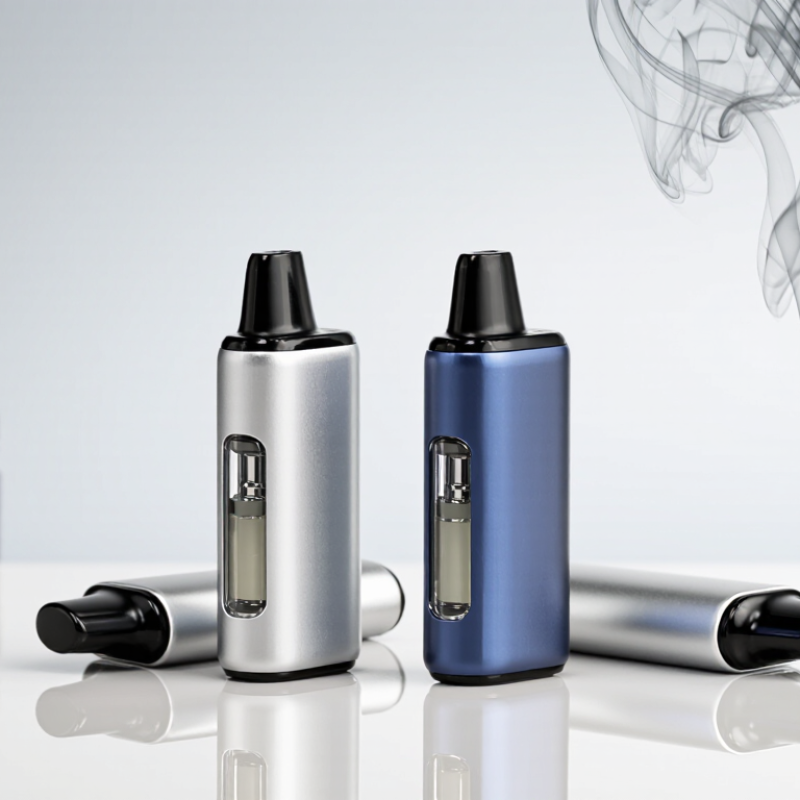
A 2ml disposable vape is defined by the approximate volume of liquid its sealed reservoir can hold. The figure describes capacity, not the device’s physical size or the amount of vapor produced. Inside, a small coil heats the liquid, while a battery supplies power and airflow carries vapor through the mouthpiece. These parts work together, but their design varies between devices. That distinction matters.
Two devices marked 2ml may not deliver the same number of puffs. Puff length, airflow, coil resistance, and battery output can all affect how quickly liquid is used. A brief draw and a long draw do not consume equal amounts. So a puff count is only an estimate, not a fixed result. The 2ml figure also does not indicate nicotine strength; that information must be listed separately. Check the product specifications for stated capacity and strength, and treat puff claims cautiously. They can be easy to misread. A label tells you what the reservoir holds, not exactly how long a device will last in everyday use.
A puff count is an estimate, not a fixed property of a 2ml device. A practical calculation divides the usable e-liquid by the amount consumed per draw. That second figure can vary with draw length, airflow, coil design, and power. Small changes add up.
CORESTA Recommended Method No. 81 uses a 55 mL machine puff lasting three seconds, with 30-second intervals. This industry testing method creates repeatable conditions for comparing aerosol emissions; it does not establish how many puffs a person will get. Real use varies. A short, gentle draw may consume less liquid than a long, forceful one. Battery condition and device performance can also shift the result. The estimate is useful, but imperfect. Treat any stated count as a rough comparison, not a guaranteed number. CORESTA’s method is a laboratory reference, not a model of every user’s habits.
2026 Best 2ml Disposable Vape How Many Puffs?
Why Can Actual Puff Counts Vary?
A stated puff count is an estimate, not a promise that every device will deliver the same number. It often assumes short, steady draws under controlled conditions. Real use is less uniform. One person may take gentle two-second puffs; another may inhale for longer, with only brief pauses between them. Those longer draws use more liquid and battery power each time. Small differences matter.
The device’s airflow, coil condition, battery charge, and liquid level can also affect how consistently it produces vapor. Temperature and storage may play a part, too, though their effect varies by design. A device can feel weaker near the end of its charge or liquid supply, even before its stated puff estimate is reached. That is normal. Keep in mind that counting puffs by hand is imprecise, and manufacturers may use different testing methods. If a label gives a number, treat it as a rough comparison rather than a reliable personal forecast. Actual results depend on the device and how it is used.
A “2ml” label describes liquid capacity, not a guaranteed number of puffs. Puff claims can vary because testing methods differ. A brief, gentle draw uses less liquid than a long one, so real-world totals may fall below a package estimate. There is no single puff count that applies to every user or device. Treat the number as a rough comparison, not a promise.
Check the listed liquid volume, battery capacity, and whether the maker explains how its puff estimate was measured. A larger battery does not automatically mean more puffs; the coil and device settings also affect consumption. Look for clear, consistent specifications rather than a large number printed without context. If two products give different estimates, compare their stated test conditions before drawing conclusions. Small details matter. Even then, the result is only an estimate. I would be cautious about treating any puff figure as precise; daily use is not a laboratory test, and that gap is easy to overlook.
A 2ml capacity does not guarantee a fixed puff count. This chart shows theoretical estimates calculated by dividing 2.0ml by an assumed amount of liquid used per puff.
How to compare claims: These are arithmetic examples, not measured device results or a standard test. Actual puff counts vary with draw length, device design, power, and user behavior. Check the stated liquid capacity and test method before comparing puff claims.
A 2ml disposable vape does not have one reliable puff count. Actual use varies with puff length, airflow, and device design. Puff estimates are not a measure of safety or nicotine dose. Nicotine can cause dependence, and some products contain high concentrations. Check the packaging for nicotine information, but remember that labels may not answer every question. If you do not use nicotine, do not start.
Age limits differ by location, so check current rules from your local health authority before handling or purchasing any nicotine product. Keep devices away from children and pets. Nicotine liquid can be harmful if swallowed or spilled on skin. If exposure occurs, contact a poison-control service or medical professional promptly. Small details matter.
Tips: Keep the device in its original packaging, away from heat and moisture. When it is empty or no longer working, do not put it in household trash or a recycling bin unless local guidance allows it. Disposable vapes contain batteries and electronic parts. Take them to an approved battery or e-waste collection point, and ask your local waste service about safe disposal. It is easy to overlook this step. That deserves a second thought.
| Topic | What to know | Important context |
|---|---|---|
| Puff count from 2ml | There is no universal puff count for 2ml of e-liquid. Some products are marketed as providing up to about 600 puffs. | That figure is an estimate, not a standard or guarantee. Puff length, frequency, device design, and conditions of use can change how long a device lasts. |
| What “2ml” means | It describes the approximate volume of e-liquid in the device, not the number of puffs or the amount of nicotine absorbed. | In the UK, 2ml is the maximum tank or pod capacity for nicotine-containing e-cigarettes under applicable regulations. |
| Nicotine concentration | UK rules cap nicotine concentration in e-liquid at 20mg/ml. At that concentration, 2ml contains 40mg of nicotine in the liquid. | The amount in the liquid is not the amount absorbed by the body. Nicotine is addictive, and exposure varies with the product and how it is used. |
| Age limits | Legal purchase ages depend on the country or region. In the UK, selling nicotine vapes to anyone under 18 is prohibited. In the United States, federal law sets the minimum sale age for tobacco products, including e-cigarettes, at 21. | Local laws may add restrictions. Check current rules where you live; age limits and product regulations can change. |
| UK single-use vape rules | Since 1 June 2025, selling or supplying single-use vapes has been prohibited in the UK. | The ban applies whether a single-use vape contains nicotine or not. Rules differ outside the UK. |
| Disposal and recycling | Vapes contain batteries and electronic components. Take used devices to an appropriate battery or electrical-waste collection point where available. | Do not put a vape in household recycling. Batteries can cause fires if damaged or crushed. Follow local waste guidance and do not dismantle the device. |
| Health note | Vaping is not risk-free, and nicotine can cause dependence. | People who do not smoke should not start vaping. For help stopping smoking or vaping, consult a qualified health professional or an official local cessation service. |
It refers to the approximate liquid capacity of its sealed reservoir. It does not describe the device’s size or vapor output. That matters.
No. Puff counts are estimates, not fixed results. Draw length and device design can change how quickly liquid is used.
Airflow, coil resistance, battery output, and puff duration all play a part. A long draw uses more liquid than a brief one.
Not exactly. They may assume short, steady draws under controlled conditions. Everyday use is less uniform. It is easy to trust a neat number too much.
No. Capacity and nicotine strength are separate details. Check the product specifications for each one.
Yes. Battery charge or remaining liquid can affect vapor production. The device may feel weaker near the end.
Treat them as rough comparisons, since testing methods may differ. Counting each puff is imprecise, too.
How many puffs are in a 2ml disposable vape? There is no single guaranteed number. A 2ml figure describes the device’s liquid capacity, while puff estimates depend on factors such as how long each draw lasts, the device’s power, and how efficiently it uses its liquid. Longer or more frequent draws can reduce the number of puffs compared with a stated estimate, so advertised counts should be treated as approximate rather than a promise.
When comparing products, look beyond the puff claim and check the stated liquid capacity, battery details, and how the estimate is described. Nicotine can be addictive, so review product information carefully and keep any nicotine-containing device away from children and pets. Follow applicable age restrictions where you live, and dispose of used devices through suitable battery or electronic-waste collection rather than ordinary litter.