Apex Vape
Choosing among the 2026 best vape types requires more than comparing designs, flavors, or battery sizes. Adult consumers should consider regulated products, clear ingredient labels, reliable manufacturers, and local age restrictions. Device quality matters because poor construction can cause leaks, overheating, or inconsistent vapor. A compact pod may suit simple daily use, while a refillable device offers flexibility but requires more maintenance. Neither option is risk-free, especially for people who do not already use nicotine.
One common complaint is simple but unpleasant: “Why is my vape spitting back juice?” This usually means liquid has collected in the mouthpiece or airflow path. Excess e-liquid, condensation, an overfilled tank, a loose coil, or unsuitable power settings may contribute. The sensation can feel like a hot droplet striking the tongue. Stop using the device if it becomes unusually hot, leaks heavily, or tastes burnt. Check the manufacturer’s instructions instead of guessing. Small details matter.
Reliable guidance should separate ordinary troubleshooting from safety concerns. Wiping the mouthpiece and inspecting seals may help, but damaged parts should be replaced rather than improvised. It is also worth questioning the habit itself. Many buyers focus on smoother clouds and longer battery life, yet overlook nicotine dependence and respiratory health. Evidence continues to develop, and online advice is not always careful. Product claims can sound convincing without strong support. Choose verified information, use legal products responsibly, and seek medical advice when symptoms persist.
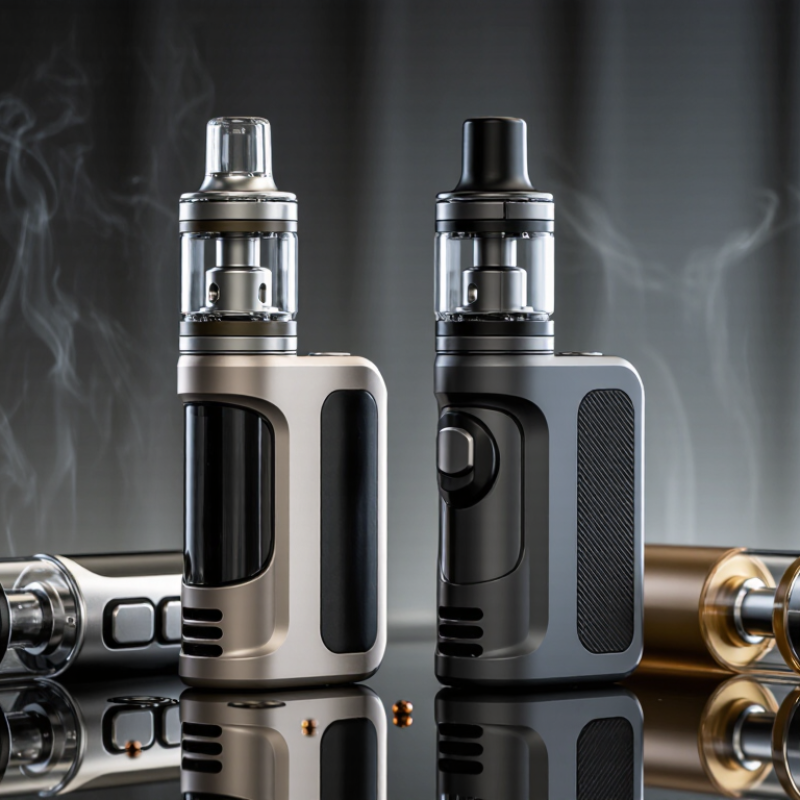
Vape spitting means hot e-liquid is reaching your mouth instead of turning into a smooth aerosol. It may feel like tiny sparks, warm droplets, or a sharp pop. This usually happens when the coil receives more liquid than it can vaporize. Flooding can follow overfilling, a loose pod, a worn seal, or several quick puffs. A low-power setting can also leave excess liquid inside the coil. Hold the device upright. Check the mouthpiece for droplets.
Condensation is another common cause. After cooling, vapor can collect inside the narrow air tube, then shoot upward during your next inhale. A faint gurgling sound often appears first. Wipe the mouthpiece with clean tissue, replace damaged seals, and avoid pulling too hard. Do not keep using a device that leaks onto your skin or becomes unusually hot. Small details matter here.
The UK Office for Health Improvement and Disparities’ 2022 evidence review describes vaping as substantially less harmful than smoking, while stressing that it is not risk-free. The World Health Organization also reports that vape aerosols can contain nicotine and other potentially harmful substances. These reports do not measure spit-back directly, but they support a careful approach. I once blamed the liquid immediately; that was too simple. Coil age, airflow, temperature, and storage can interact. If chest pain, breathing difficulty, or persistent irritation occurs, stop using the device and seek medical advice.
A warm drop of e-liquid in your mouthpiece usually means the coil is flooding. This happens when too much liquid enters the heating chamber. Common causes include overfilling, hard inhalation, and leaving the device unused for several hours. A damaged seal can also let liquid move into the airflow path.
I once blamed the battery for this problem. That assumption was wrong. In many cases, the airflow opening is partly blocked, creating pressure that pushes liquid upward. A coil with worn cotton may also fail to absorb e-liquid evenly. Check for gurgling sounds, visible liquid, or moisture around the mouthpiece. Do not blow forcefully into the device, because this can push more liquid toward your mouth.
Use the filling level recommended in the device instructions, and avoid covering the airflow holes while inhaling. Keep the device upright and wipe the mouthpiece with a clean, dry tissue. If spitting continues after cleaning, replace the coil or the relevant disposable component according to the manufacturer’s guidance. Never use a device with cracks, overheating, or leaking around the battery area. Small details matter. Sometimes, the simplest explanation is overlooked.
Vape spitting usually means liquid reaches the mouthpiece before heating fully. Refillable tank devices can cause this after overfilling, flooding, or using liquid that is too thin. Pod systems often spit when condensation collects beneath the mouthpiece. Compact disposable devices may pop when airflow becomes restricted, although their sealed design makes inspection difficult. Device type matters, but maintenance matters more.
Laboratory guidance from CORESTA recommends controlled testing for aerosol delivery, yet everyday use remains less predictable. The UK Office for Health Improvement and Disparities reported in 2022 that vaping is substantially less harmful than smoking, while also stressing that risks are not zero. That distinction is easy to lose. A 2024 ASH survey reported millions of adults vaping in Great Britain, showing why small usability problems deserve practical attention. However, population data rarely measure spitting directly.
Tips: Keep the device upright and avoid filling above its marked line. Wipe the mouthpiece with a dry tissue. Take gentle, steady puffs instead of sharp pulls. Check whether the liquid suits the device. A very thin liquid can flood some tank coils. Replace a worn coil, but do not keep using a device that becomes unusually hot, leaks repeatedly, or tastes burnt. My own practical view is imperfect: changing one variable at a time works best, yet users often change everything at once and lose the real cause.
Why Is My Vape Spitting Back Juice?
Spitting usually means excess e-liquid is sitting inside the coil chamber. Start with the basics. Keep the device upright, then wipe the mouthpiece and airflow openings with tissue. Check the fill line carefully. Overfilling can flood the coil and force warm liquid upward. The National Academies reviewed more than 800 studies and linked aerosol chemistry to device power, liquid composition, and heating conditions. That makes settings important, not cosmetic.
Reduce the power slightly, especially after installing a fresh coil. Wait several minutes before vaping. Avoid repeated, hard pulls because they can draw too much liquid into the chamber. Take a gentle puff instead. If gurgling continues, remove the pod or tank and tap it lightly over tissue. Do not shake it aggressively. Inspect the rubber seal for gaps, cracks, or trapped liquid. My first fix failed because I ignored condensation around the mouthpiece.
Replace the coil when the problem returns, or when the liquid tastes burnt. Never continue if hot liquid reaches your lips. A 2024 CDC and FDA youth survey recorded 1.63 million current student users, showing how widely these devices are used, but frequent use does not make faults harmless. Avoid modifying batteries or using damaged hardware. If leakage persists, stop using the device and follow the manufacturer’s disposal and safety instructions.
Practical comparison of common vape formats, e-liquid factors, and the most likely causes and solutions for hot e-liquid or droplets reaching the mouth.
| Vape Type | Typical Design | Best-Suited Use Case | Common Spitback Risk | First Checks | Recommended Prevention |
|---|---|---|---|---|---|
| Closed or Prefilled Pod | Compact battery with a sealed, prefilled pod and an integrated coil. | Simple operation and low-maintenance use. | Usually caused by condensation, a damaged pod, or excess liquid around the mouthpiece. | Remove the pod and wipe the contacts and mouthpiece with a dry tissue. Check for cracks or leakage. | Keep the device upright, avoid hard repeated draws, and replace a damaged or leaking pod. |
| Refillable Pod System | Small rechargeable device with a refillable reservoir and replaceable or integrated coil. | Users who want compact size and control over e-liquid selection. | Overfilling, an open airflow path, excessive priming, or a coil that is not seated correctly. | Confirm the fill level is below the maximum line, close the fill port firmly, and inspect the coil seal. | Leave a small air gap, allow a newly installed coil to saturate, and use the recommended power range. |
| Sub-Ohm Tank | Larger tank using low-resistance coils and higher airflow, normally operated at higher power. | Users seeking larger vapor production and longer periods between refills. | Flooded coil, insufficient power for the coil, overly thin e-liquid, or liquid entering the center airflow tube. | Check the coil resistance and suggested wattage. Inspect the tank for flooding and excess liquid in the chimney. | Use the coil within its stated power range, keep airflow adjusted, and avoid overfilling. |
| Rebuildable Tank or Dripper | User-built coil and wick system that requires manual adjustment and maintenance. | Experienced users who want detailed control over coil and wick setup. | Loose or poorly positioned wick, excessive e-liquid, uneven coil heating, or incorrect coil installation. | Check that the wick lightly fills the liquid channels without blocking them. Confirm the coil heats evenly. | Use an appropriate wick density, pulse-test the coil at low power, and inspect the build before use. |
| Disposable Vape | Pre-filled, sealed device designed for use until the battery or liquid is depleted. | Convenience and minimal setup. | Condensation, manufacturing damage, internal flooding, or liquid movement after storage in heat. | Wipe the mouthpiece and check for visible leakage, unusual heat, or a damaged outer shell. | Store upright at moderate room temperature. Do not open, refill, recharge, or use a visibly damaged device. |
| Likely Cause of Spitting | What Happens | Step-by-Step Correction | How to Reduce Recurrence |
|---|---|---|---|
| Flooded Coil | More e-liquid enters the coil chamber than the coil can vaporize, producing popping and droplets. | 1. Remove the tank or pod if possible. 2. Wipe the mouthpiece and visible excess liquid. 3. Use a few gentle, unpowered draws only if the device design allows it. 4. Reinstall and vape at the coil’s recommended power. |
Avoid repeated long draws while the device is inactive, and do not over-prime a new coil. |
| Overfilled Tank or Pod | Liquid has little room to expand, so it can enter the central airflow tube. | 1. Stop using the device. 2. Remove a small amount of liquid if the design permits. 3. Clean the center tube and mouthpiece. 4. Close the fill seal securely. |
Stop filling below the maximum line and leave a small air space where the manufacturer’s design requires it. |
| Excessive Priming | Too much liquid is added directly to the coil, saturating the heating chamber. | 1. Allow the coil to rest after filling. 2. Do not repeatedly press the activation button without inhaling. 3. Take short, gentle draws until the excess liquid clears. |
Prime only as directed for the coil and avoid flooding the coil with liquid. |
| Power Set Too Low | The coil receives insufficient heat to vaporize the incoming liquid efficiently. | 1. Check the coil’s stated wattage range. 2. Increase power gradually within that range. 3. Stop if the vapor becomes harsh or tastes burnt. |
Use a compatible coil and keep power settings within the specified operating range. |
| E-Liquid Too Thin for the Coil | Higher-proportion propylene glycol liquid flows easily and may oversupply some high-power coils. | 1. Check the e-liquid composition. 2. Confirm it is suitable for the device. 3. If permitted by the device instructions, use an e-liquid viscosity appropriate for the coil. |
Match e-liquid viscosity to the device: smaller coils commonly use thinner liquid, while larger high-power coils may handle thicker liquid. |
| Condensation in the Mouthpiece | Vapor cools and turns into small liquid droplets inside the mouthpiece or airflow path. | 1. Remove the mouthpiece if possible. 2. Wipe the inside with a dry tissue or cotton swab. 3. Reassemble and take slower, gentler draws. |
Clean the mouthpiece regularly and avoid storing the device in very cold conditions followed by immediate use. |
| Coil Is Worn or Damaged | Uneven heating and degraded wicking can cause gurgling, leakage, inconsistent vapor, or spitback. | 1. Replace the coil or pod according to the device design. 2. Saturate the replacement correctly. 3. Begin at the lower end of the recommended power range. |
Replace coils when flavor, vapor, leakage, or gurgling changes noticeably rather than continuing to use a damaged coil. |
| Quick Diagnostic Signal | Most Probable Explanation | Immediate Action |
|---|---|---|
| Gurgling sound with little vapor | Flooded coil or liquid in the airflow channel. | Clean the airflow path, reduce excess liquid, and check the power setting. |
| Hot droplets immediately after refilling | Overfilling or liquid entering the center tube. | Stop, wipe the mouthpiece, and refill below the maximum level. |
| Spitting mainly after long draws | Excess liquid supply or condensation caused by prolonged inhalation. | Use shorter, gentler draws and allow the device to rest between puffs. |
| Spitting with leakage around the base | Damaged seal, loose coil, cracked tank, or poor assembly. | Stop using the device until the damaged component is replaced and the connection is cleaned. |
| Spitting together with unusual heat or a damaged battery | Potential device or battery safety problem. | Stop using it immediately. Do not charge, open, refill, or repair a damaged device. |
When a vape spits hot liquid, the device is usually warning you about flooding. This happens when excess e-liquid enters the coil chamber. You may hear a sharp popping sound, feel droplets on your tongue, or see liquid inside the mouthpiece. Pod systems, tanks, and disposable-style devices can all show this problem.
A flooded coil may result from overfilling, loose airflow, weak battery output, or a worn coil. Thick residue can also block the airflow path. The U.S. FDA’s 2024 National Youth Tobacco Survey reported that 1.63 million young people currently used e-cigarettes. That figure does not measure spitting directly, but it reinforces why clear safety information matters. A 2023 review in Tobacco Control also linked device design and user behavior with inconsistent aerosol delivery. I sometimes find the simplest cause gets missed: the mouthpiece is partially blocked.
Tips: Stop using the device when hot liquid reaches your mouth. Wipe the mouthpiece with clean tissue. Keep the device upright and avoid filling above its marked line. Check for a loose pod, damaged seal, or burnt coil. If the battery becomes hot, swollen, or leaks, discontinue use and follow local disposal guidance. Do not keep testing it. A replacement coil may solve the issue, but repeated spitting can signal a deeper hardware fault.
It means hot e-liquid reaches your mouth instead of becoming a smooth aerosol. You may feel warm droplets or tiny sparks.
Excess liquid may flood the coil chamber. Overfilling, quick puffs, weak power, or a worn coil can cause flooding.
Yes. Cooled vapor can collect inside the narrow air tube. A faint gurgling sound may come first.
Stop using the device. Wipe the mouthpiece with clean tissue. Keep the device upright and check for visible droplets.
Avoid filling above the marked line. Do not pull too hard. Check the pod, seal, airflow path, and coil for damage or residue.
Yes. A partial blockage can trap liquid and change airflow. The obvious explanation may be wrong.
Stop using it if the battery becomes hot, swollen, or leaky. Do not keep testing it.
Stop using the device if chest pain, breathing difficulty, or persistent irritation occurs. Seek medical advice promptly. Safety comes first.
Vape spitting, sometimes called spitback, happens when heated e-liquid is pushed through the mouthpiece instead of turning fully into vapor. If you are asking, “Why is my vape spitting back juice?”, common reasons include excess liquid in the coil, flooding caused by overfilling, using an unsuitable power setting, taking very short or forceful puffs, or storing the device in a cold or tilted position. Different vape types can react differently: smaller pod devices may flood easily, while tank systems may pop when airflow, coil resistance, or liquid thickness is mismatched.
To reduce spitting, keep the mouthpiece clean, avoid filling beyond the recommended level, let a new coil absorb liquid without oversaturating it, and use the suggested power range. Gentle, steady draws and proper upright storage can also help. If popping continues, check the coil, seals, airflow, and battery connection. Persistent leaking, burnt odors, unusual heat, or damaged components may indicate a device problem; stop using it and replace the faulty part safely.
